Most gaming PCs deliver top performance for 3–5 years and usable life for 5–8.
If you want to know how long do gaming pc last, you are in the right place. I have built, tuned, and tested rigs for a decade. I will break down real timelines, costs, and smart upgrades. By the end, you will know how long do gaming pc last, what wears out first, and how to keep yours smooth for years.

Source: apexgamingpcs.com
What actually determines lifespan
Gaming PC lifespan has two parts: performance life and hardware life. Performance life is how long a system can hit your target settings and frame rates. Hardware life is how long parts work before they fail. That is the heart of how long do gaming pc last.
On average, expect 3–5 years of top-end performance. With lower settings or a GPU swap, 5–8 years is common. Many rigs run 8–10 years for light use if kept cool and clean. So when people ask how long do gaming pc last, the best answer is it depends on parts, heat, and care.
Key factors that set the clock:
- GPU cycles The graphics card ages fastest. New games push VRAM and shaders. Upgrades every 2–4 years keep high settings.
- CPU headroom Modern 6–8 core chips with strong single-core speed last 5–7 years for gaming.
- Cooling and dust Heat shortens life. Good airflow, clean filters, and fresh paste matter.
- Power supply quality A reliable 80 Plus unit from a known maker can run 7–10 years.
- Storage SSDs last years under normal writes. NVMe drives are fast, cool, and durable.
- RAM capacity 16 GB is fine for 1080p today. 32 GB helps for new titles and multitask.
What I see in client builds:
- Dusty cases create 10–20% higher temps. That cuts boost clocks and adds fan noise.
- Cheap PSUs cause crashes that look like GPU or driver bugs.
- VRAM limits hit before raw GPU power in many AAA games at 1440p and 4K.
Is a gaming PC obsolete after 3 years?
No. At 3 years, you may lower a few settings or upgrade the GPU. The CPU and platform often stay fine for years more.
Does resolution change lifespan?
Yes. 1080p extends performance life. 1440p and 4K push the GPU harder, so a GPU upgrade may come sooner.

Source: youtube.com
Performance life vs hardware life
Think of performance life as fashion and hardware life as fabric. Trends change fast, but the cloth can last. Your card may not run ultra in year five, yet it can still play well on high or medium. That is why how long do gaming pc last often comes down to your target settings.
Hardware life can outlast performance life by a wide margin. A quality case, cooler, and PSU can move through two builds. SSDs and RAM also age well. Swapping the GPU at year two or three can reset the game experience without a full rebuild. This is a simple way to stretch how long do gaming pc last.

Source: easypc.io
Real-world timelines and upgrade paths
Here is a simple, proven map. It balances cost and results.
Year 0
- Build with a modern 6–8 core CPU, 16–32 GB RAM, and a mid to high GPU.
- Aim for a case with strong airflow and quiet fans.
Year 2–3
- Upgrade the GPU if you want higher settings or move to 1440p.
- Add RAM to 32 GB if you stream or mod heavy games.
Year 4–6
- Replace the PSU if it is low-end or noisy.
- Consider a CPU and motherboard swap if you need new features.
Year 6–8
- Full platform refresh if you want the latest tech.
- Old parts can become a kid’s PC or a home server.
Budget tips I use with clients:
- Spend more on the GPU than the CPU for gaming first.
- Do not cheap out on PSU or cooler. They add years.
- Keep resale in mind. Clean, known-brand parts sell faster.
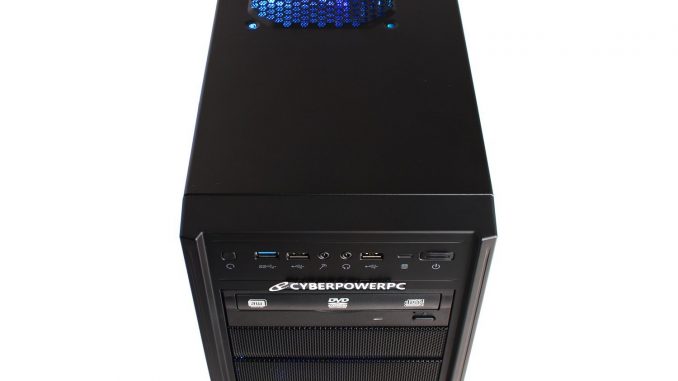
This plan is how I answer how long do gaming pc last when clients want value. One smart GPU upgrade can add 2–3 years of happy play.
Source: cyberpowerpc.com
How to make your gaming PC last longer
Small habits add big years. This is the simple playbook I use at home and with customers.
- Keep temps low Target under 80°C on the GPU and under 85°C on the CPU while gaming.
- Clean dust every 2–3 months Use compressed air and a soft brush. Wash filters.
- Replace thermal paste every 2–3 years Good paste drops temps and noise.
- Update drivers and BIOS when needed Use stable releases. Avoid day-one chaos unless a fix is urgent.
- Cap frame rates Use in-game limiters or Enhanced Sync to cut heat and coil whine.
- Enable smart fan curves Keep parts cool without extra noise.
- Undervolt GPUs Many cards hold the same FPS at lower volts and heat.
- Monitor health Watch SSD health, temps, and fan RPMs with simple tools.
- Use a surge protector or UPS Clean power protects the PSU and board.
Follow this, and you will stretch how long do gaming pc last without big spend.

Source: technoidinc.com
Signs it is time to upgrade or replace
Watch for these flags during play and daily use.
- Stutter despite low settings VRAM or RAM may be full. Check usage.
- Fans roar at light load Dust or bad curves. If clean, the cooler may be tired.
- Random shutdowns or reboots Often PSU or heat issues.
- USB, audio, or PCIe glitches Board aging or driver conflicts.
- New games need features your card lacks Upscaling, ray tracing, or VRAM headroom.
If three or more show up at once, plan the next step. At this point, people often ask how long do gaming pc last if they skip upgrades. You can still play, but the gap will grow fast.

Source: youtube.com
Cost of ownership and total value
Think in total cost per year, not sticker price. This mindset saves money and nerves.
- Mid-range path Example: $1,300 build, plus a $450 GPU swap at year 3. Over 6 years, about $292 per year.
- High-end path Example: $2,200 build. No swap for 3 years. Then a $700 GPU. Over 6 years, about $483 per year.
- Electricity A 300 W average gaming draw at 2 hours per day is about 0.6 kWh daily. Know your local rates.
- Resale Clean, known-brand gear holds value. Boxes and receipts help.
Use this frame when you weigh how long do gaming pc last. Plan the GPU swap up front. Treat the PSU and case as long-term assets.

Source: pcworld.com
Build vs buy: does it change lifespan?
Custom builds often last longer in practice. You select quality parts, better airflow, and quiet fans. You also get easier service and part swaps. Prebuilts can be fine, but they may hide weaker PSUs or tight cases.
What I do for long life:
- Pick a case with open front and dust filters.
- Choose a reputable PSU line with a long warranty.
- Favor cool and quiet GPU models with larger heatsinks.
These small choices add years to how long do gaming pc last and keep noise low.

Source: youtube.com
Future-proofing: myth vs reality
Future-proofing is not a magic part. It is smart balance.
What helps
- A strong 8-core CPU with good single-core speed.
- 32 GB RAM for heavy games, streaming, and mods.
- A GPU with enough VRAM for your target res.
What does not help
- Overpaying 40% for 5% more frames.
- Chasing max overclocks that add heat and noise.
- Ignoring airflow to save on the case.
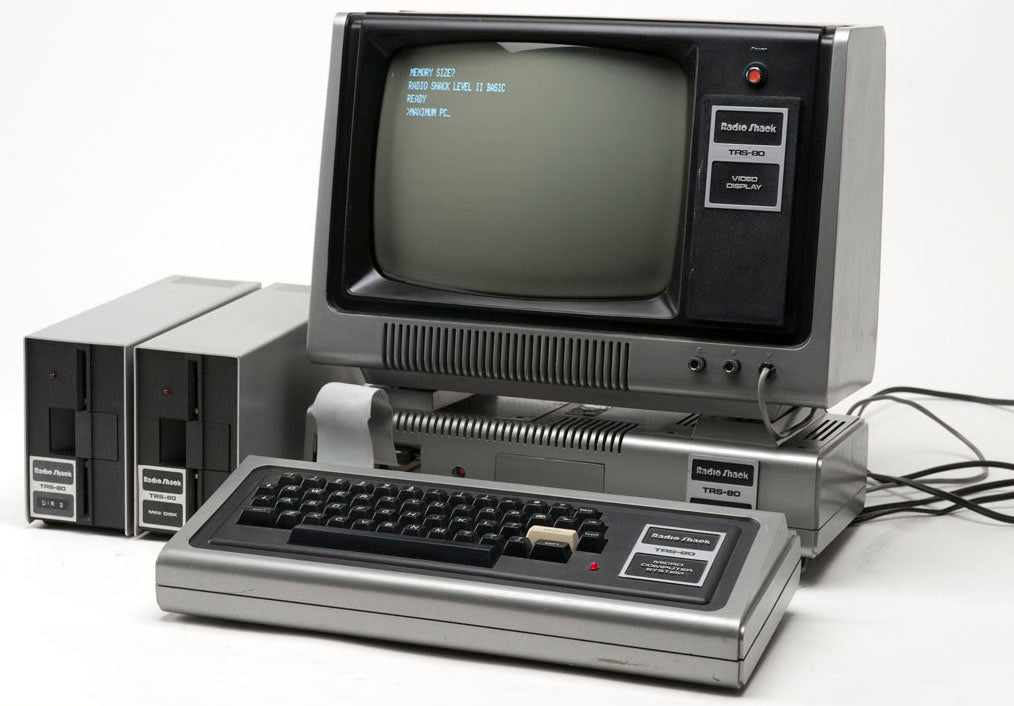
Ask this before you buy: how long do gaming pc last if I lock to my target FPS and cap frames? Often, the answer is longer than you think.
Source: apexgamingpcs.com
Frequently Asked Questions of how long do gaming pc last
How many years will a gaming PC stay good for new games?
Most rigs feel great for 3–5 years at high settings. With a GPU upgrade and good care, 5–8 years is very common.
Which part fails first in a gaming PC?
The GPU ages fastest for performance. For failures, low-quality PSUs and cheap fans tend to go first.
Does 32 GB RAM make a PC last longer?
It can. New games and background apps keep growing, so 32 GB helps reduce stutter and extends smooth play.
Is it better to upgrade or buy new?
Upgrade the GPU first if your CPU is still fine. Go new when you also need a fresh platform, features, or a warranty.
How long do gaming pc last if I only play esports?
Longer than average. Esports titles are lighter, so a mid-range GPU can stay fast for 5–7 years at 1080p.
Conclusion
Now you have a clear view of parts, timelines, and smart steps. You know how long do gaming pc last, what to upgrade first, and how to keep temps low. Small habits and one well-timed GPU swap can add years of smooth play.
Put one tip into action today. Clean dust, cap your FPS, or tune a fan curve. If you found this guide useful, share it, subscribe for more build advice, or drop your questions in the comments.