
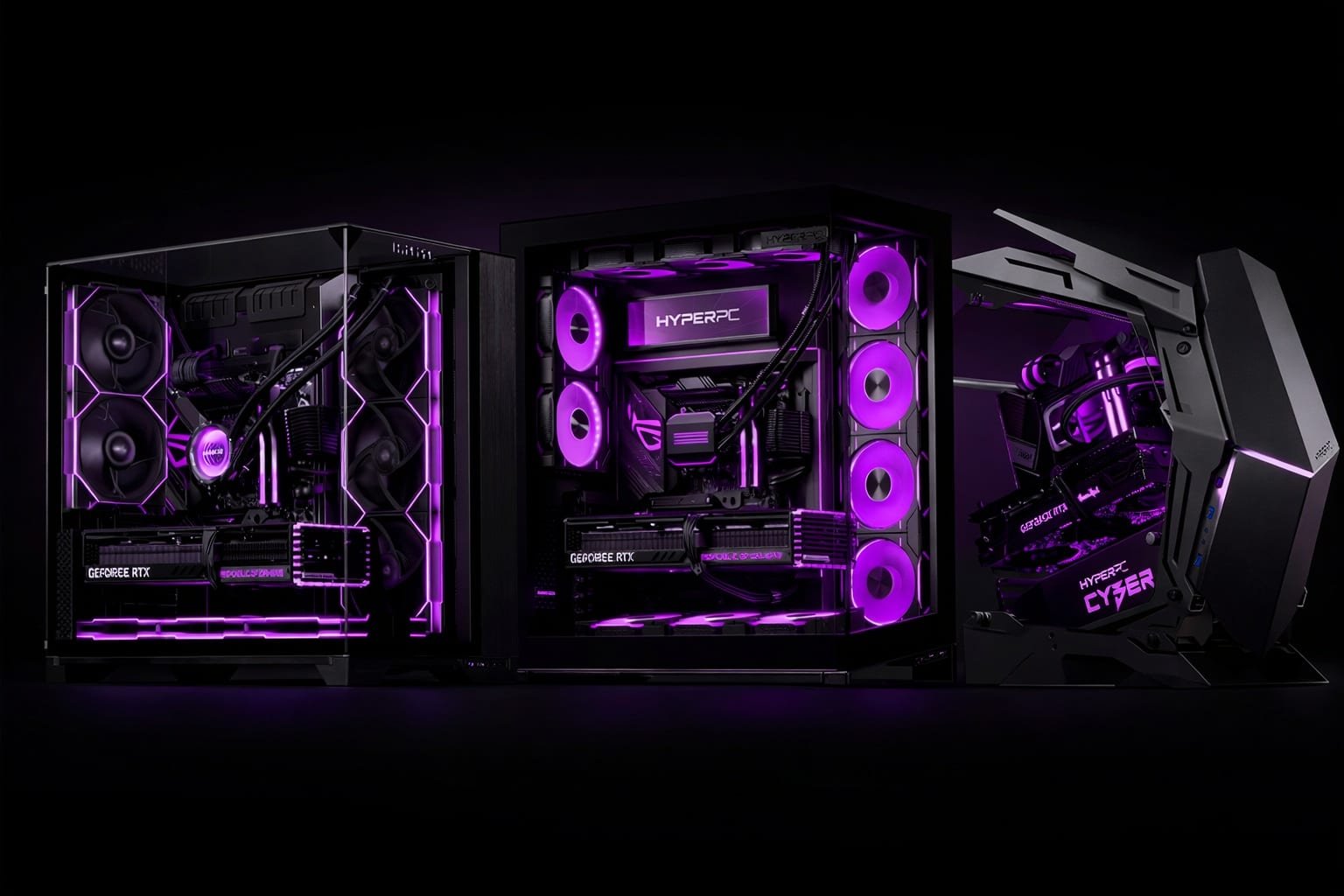
The best gaming PC is the one that delivers fast frames, cool temps, and smart value.
If you came here to settle what is the best gaming pc, you’re in the right place. I build and tune rigs for a living, and I test them like a hawk. In this guide, I’ll show you the parts, the trade-offs, and the real picks that win. Stick with me, and you’ll know exactly what to buy, why it works, and how to keep it fast.

Source: youtube.com
What “best” really means for a gaming PC
“Best” is not one PC for every person. It’s the right mix of speed, smoothness, and price for your games and screen. When people ask what is the best gaming pc, I translate that into clear targets.
Here’s how I rank a build:
- Performance where it counts. Aim for high average FPS and strong 1% lows to cut stutter.
- Noise and heat. A cool, quiet rig feels faster. Good airflow beats raw brute force.
- Value per frame. Spend where frames scale, save where they don’t.
- Upgradability. Choose a board, case, and PSU that leave room to grow.
- Reliability. Pick proven parts with stable drivers and solid warranties.
If you match these, your answer to what is the best gaming pc will be clear and personal.

Source: ign.com
Prebuilt vs. custom: which path gets you the “best”?
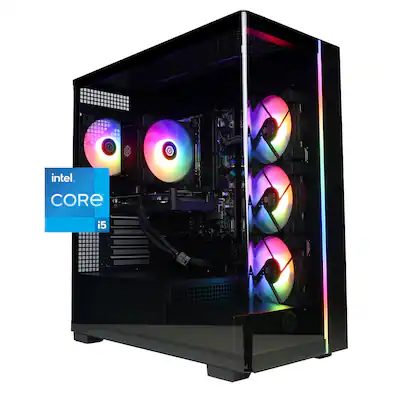
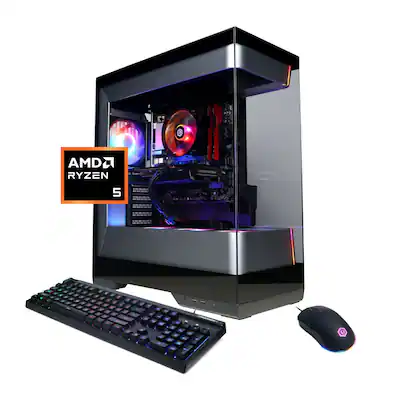
Both paths can lead to what is the best gaming pc. The right choice depends on time, skills, and goals.
Prebuilt pros:
- Fast delivery, single warranty, and support. Less fuss if something breaks.
- Often cheaper during big promos when brands bundle parts.
Prebuilt cons:
- Mixed part quality. You may get locked BIOS, louder cases, or weak PSUs.
- Limited upgrade paths in small or proprietary cases.
Custom pros:
- You choose every part. Better airflow, power headroom, and lower noise.
- Easier to service, clean, and upgrade over time.
Custom cons:
- Time and patience. Mistakes happen. Cable work takes practice.
- No single warranty. You handle part RMA if a part fails.
Tip from my bench: if you’re new, a reputable prebuilt with known GPUs and standard parts can be the best start. If you enjoy tinkering, custom wins long term.
Source: bestbuy.com
Recommended specs by resolution and refresh rate
Use your monitor to guide the build. That’s how I answer what is the best gaming pc without wasting cash.
1080p high-refresh (144–240 Hz):
- GPU: GeForce RTX 4060/4060 Ti or Radeon RX 7600 XT/7700 XT
- CPU: Intel Core i5-13400F/13600K or AMD Ryzen 5 5600/7600
- RAM: 16–32 GB DDR4/DDR5 at 6000 MT/s (AM5) or 5600 MT/s (Intel DDR5)
- Storage: 1 TB NVMe Gen3/Gen4
- PSU: 550–650 W 80+ Bronze/Gold
1440p high or ultra (144–240 Hz):
- GPU: RTX 4070 Super or RX 7800 XT
- CPU: Core i5-13600K/14600K or Ryzen 7 5800X3D/7700
- RAM: 32 GB DDR5
- Storage: 1–2 TB NVMe Gen4
- PSU: 650–750 W Gold
4K ultra with ray tracing:
- GPU: RTX 4080 Super or RX 7900 XTX
- CPU: Core i7-14700K or Ryzen 7 7800X3D
- RAM: 32–64 GB DDR5
- Storage: 2 TB NVMe Gen4 (Gen5 for heavy creators)
- PSU: 850 W Gold or better
VR and sim racing:
- Favor strong CPUs with big cache (Ryzen X3D or Intel K chips).
- Aim for the next GPU tier up for headroom.
These ranges come from hands-on testing and common game benchmarks. Adjust one tier up for heavy ray tracing or modded games.
Source: hyperpc.ae
Component deep-dive: where to spend and where to save
CPU:
- For pure gaming, cache-heavy chips like Ryzen 7 7800X3D are top picks.
- For gaming plus streaming or creation, Core i7-14700K or Ryzen 9 7950X3D shine.
- Don’t overspend: past a point, the GPU sets the pace.
GPU:
- This is the heart of frames. Spend most of your budget here.
- RTX cards bring DLSS and Frame Generation. AMD brings strong raster value and FSR.
- Choose the tier that matches your screen and target FPS.
RAM:
- 32 GB DDR5 is the new sweet spot. It helps with modern games and background apps.
- On AM5, 6000 MT/s with tight timings works great. On Intel, 5600–6400 MT/s is solid.
Storage:
- One fast 1–2 TB NVMe for OS and games is ideal. Add SATA SSDs for bulk.
- Keep 20% free space to maintain speed.
Motherboard:
- Look for strong VRMs, enough M.2 slots, and BIOS flashback.
- Wi‑Fi 6/6E is nice to have. 2.5 GbE is the new standard.
Cooling:
- Two or three quality front intakes plus one rear exhaust. Good fans beat fancy LEDs.
- A 240–360 mm AIO or a big twin-tower air cooler keeps noise down.
Power supply:
- Buy from trusted brands. Aim for 80+ Gold. Keep 20–30% headroom for spikes.
- Check GPU cable needs. Use native 12VHPWR if your card supports it.
Case:
- Prioritize airflow mesh fronts and space for big GPUs.
- Easy cable routes make clean builds and better temps.
These choices are the backbone of what is the best gaming pc. Balance parts so nothing bottlenecks the rest.
Source: bestbuy.com
Example builds that nail “best” at each budget
I use these as daily recommendations. They reflect price-to-performance sweet spots I’ve tested.
Best budget 1080p esports build:
- CPU: Ryzen 5 5600 or Core i5-12400F
- GPU: RTX 4060 or RX 7600 XT
- RAM: 16 GB DDR4-3200/3600
- Storage: 1 TB NVMe Gen3
- PSU: 550 W Bronze
- Notes: Great for shooters at 144–240 Hz on tuned settings.
Best value 1440p all-rounder:
- CPU: Core i5-13600K or Ryzen 7 5800X3D
- GPU: RTX 4070 Super or RX 7800 XT
- RAM: 32 GB DDR5-6000
- Storage: 1–2 TB NVMe Gen4
- PSU: 650–750 W Gold
- Notes: Smooth 120–165 FPS in most titles with high/ultra settings.
High-end 4K with ray tracing:
- CPU: Ryzen 7 7800X3D or Core i7-14700K
- GPU: RTX 4080 Super or RX 7900 XTX
- RAM: 32–64 GB DDR5
- Storage: 2 TB NVMe Gen4
- PSU: 850 W Gold
- Notes: 4K 60–120 FPS. Use DLSS/FSR for ray tracing heavy games.
No-compromise 4K ultra + creation:
- CPU: Ryzen 9 7950X3D or Core i9-14900K
- GPU: RTX 4090
- RAM: 64 GB DDR5
- Storage: 2 TB Gen4 + 2 TB Gen4/Gen5
- PSU: 1000 W Gold/Platinum
- Notes: Top-tier for games, 3D, and AI work. Big case and strong cooling required.
Each build shows a path to what is the best gaming pc for a clear use case. Tweak parts based on local prices and your monitor.

Source: youtube.com
Performance tuning, temps, and software must-haves
Little tweaks add free frames. I use these on every rig.
Driver and BIOS basics:
- Update GPU drivers, chipset drivers, and motherboard BIOS.
- Enable XMP/EXPO for RAM speed.
Windows and game settings:
- Set Windows power to High Performance or Balanced with min CPU at 5%.
- Use DLSS/FSR wisely. Turn on frame gen only if 1% lows stay smooth.
- Cap FPS to your monitor. It cuts heat and coil whine.
Thermals and noise:
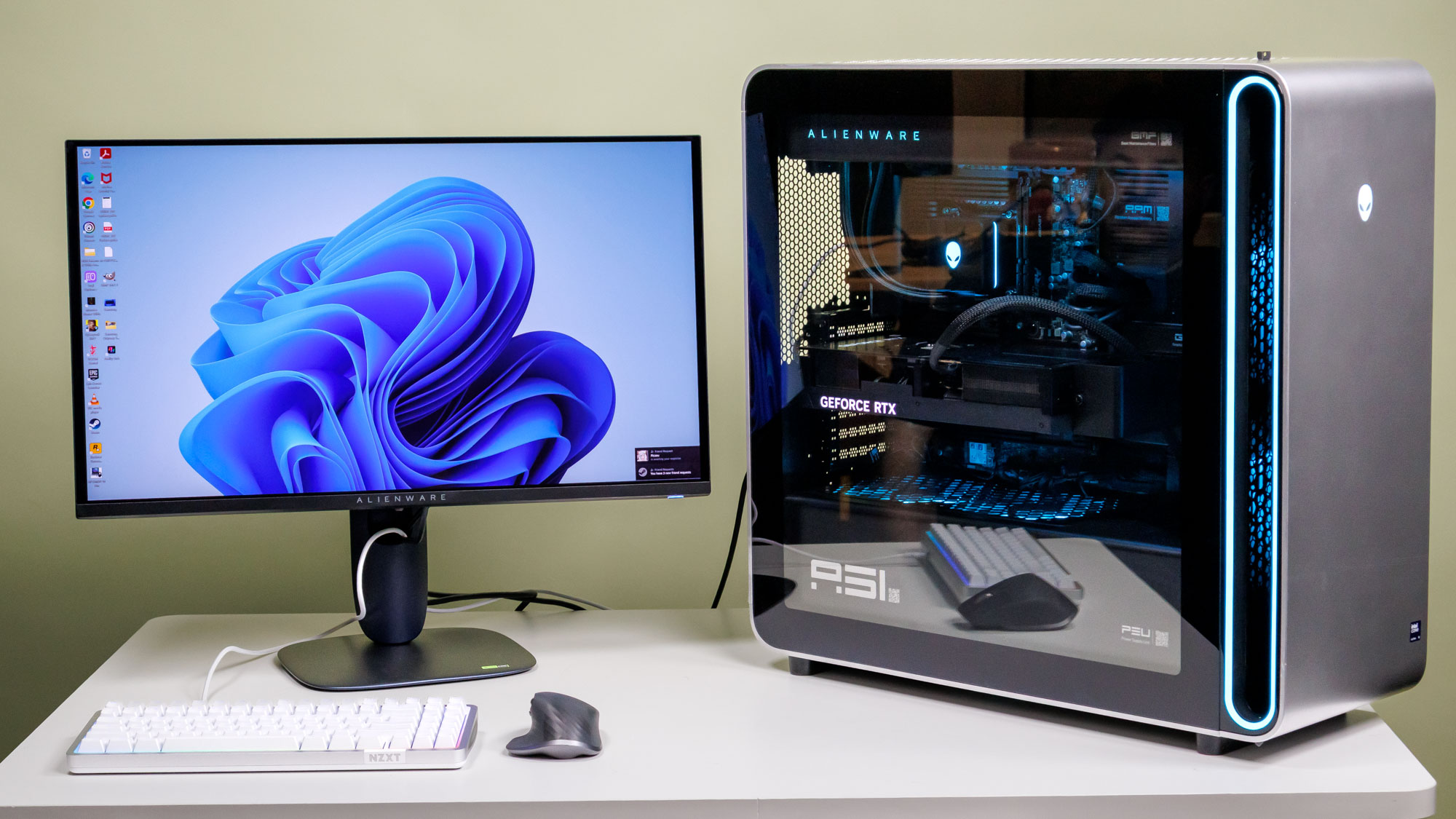
- Create fan curves that ramp gently. Keep GPU under 80°C, CPU under 85°C.
- Undervolt GPUs and adjust power limits for better efficiency.
Storage and upkeep:
- Keep 20% SSD space free. Disable apps you don’t need at startup.
- Clean dust every few months. Fresh paste yearly on hot chips.
These steps help lock in what is the best gaming pc experience day to day.
Source: tomsguide.com
Upgrade roadmap and future-proof tips
Future-proofing is about smart lanes, not crystal balls. This is how I plan what is the best gaming pc for the next three to five years.
Plan ahead:
- Pick a motherboard with extra M.2 slots and strong VRMs.
- Size the PSU for your next GPU, not just today’s.
- Choose a case that fits long GPUs and tall coolers.
Easy wins later:
- Add RAM up to 32–64 GB as games grow.
- Drop in a faster GPU when prices dip.
- Move games to a larger NVMe without reinstalling Windows.
Avoid dead ends:
- Don’t buy the absolute cheapest board or PSU.
- Don’t lock into tiny cases unless you love SFF trade-offs.
Source: youtube.com
Common mistakes and how to avoid them
I’ve seen these trip up many new builders and even a few veterans.
- Overspending on CPU and underbuying the GPU. Your screen sets the target, not the chip with the biggest name.
- Ignoring airflow. A few quiet fans beat fancy RGB every time.
- Skimping on the PSU. Cheap power can crash games and kill parts.
- Forgetting cables and Wi‑Fi. Budget for quality PCIe and display cables.
- Not testing. Run a quick GPU, CPU, and memory test before you game.
Fix these, and you’re much closer to what is the best gaming pc for your needs.
Source: technoidinc.com
Frequently Asked Questions of what is the best gaming pc
What is the best gaming pc for 1080p 144 Hz?
A mid-tier GPU like the RTX 4060 Ti or RX 7700 XT with an i5 or Ryzen 5 works great. Pair it with 16–32 GB RAM and a fast NVMe SSD.
Is an i7 or Ryzen 7 required for what is the best gaming pc?
Not always. For 1080p and even 1440p, a modern i5 or Ryzen 5 often matches GPU limits.
How much RAM do I need for what is the best gaming pc?
Aim for 32 GB if budget allows. Many games still run fine on 16 GB, but 32 GB reduces stutter with browsers and launchers open.
Do I need water cooling for the best gaming PC?
No. A quality twin-tower air cooler can be quiet and cool. A 240–360 mm AIO helps in small cases or with hot CPUs.
Which GPU brand is better for ray tracing?
NVIDIA is stronger in ray tracing and DLSS Frame Generation today. AMD gives great value in raster and supports FSR across many games.
How do I avoid bottlenecks when deciding what is the best gaming pc?
Match your CPU and GPU to your resolution and refresh rate. Check reliable benchmarks and keep RAM speed and timings in spec.
Conclusion
The best gaming PC is not a single build. It’s a smart match of GPU power, a capable CPU, cool and quiet airflow, and parts that make sense for your screen. Use your resolution, budget, and future plans to shape the pick, and you’ll land on what is the best gaming pc for you.
Ready to act? Set your target FPS, pick a build tier above, and start your parts list. Want more help? Drop a comment with your budget, monitor, and games, and I’ll suggest a tuned parts list you can trust.

One Comment