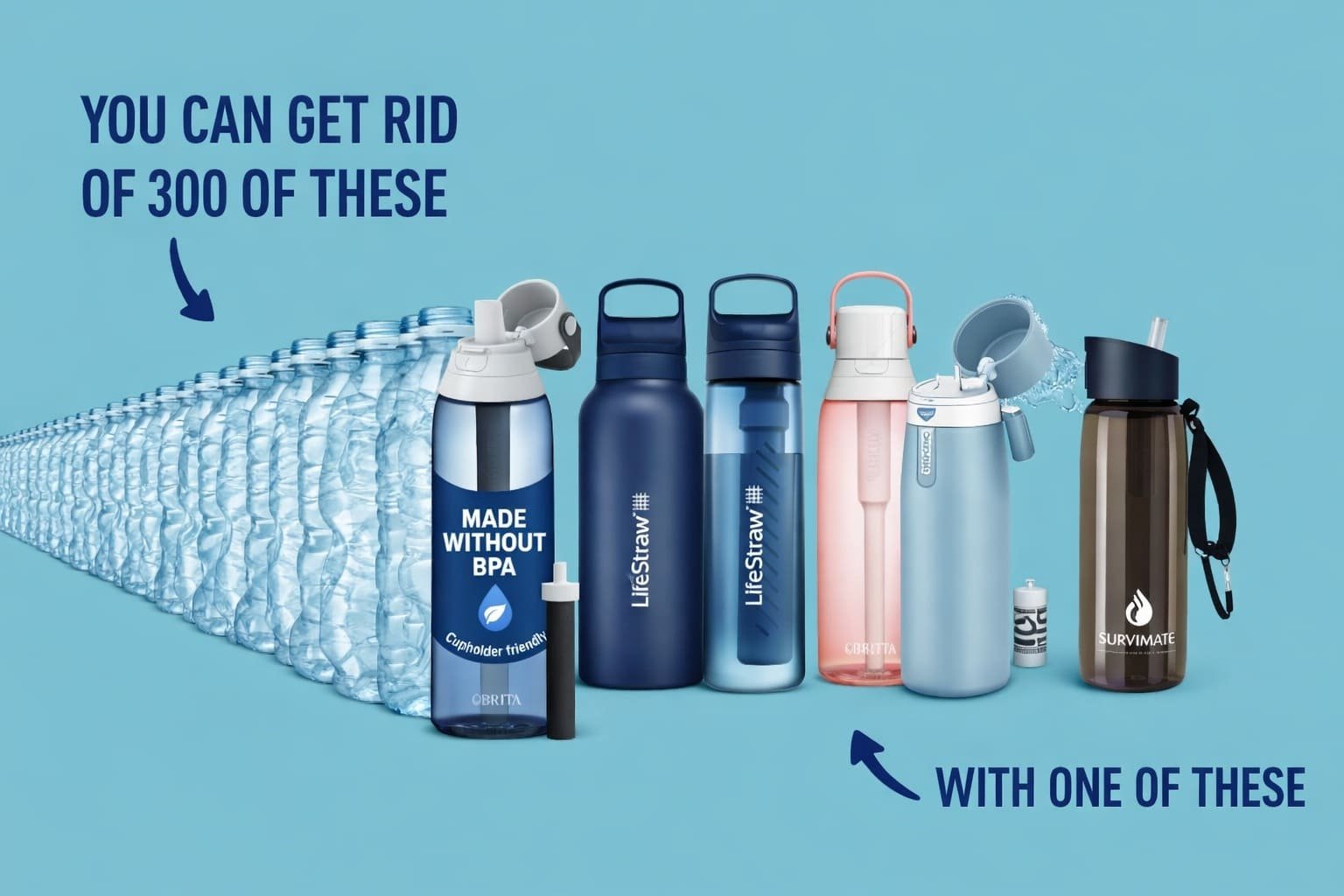
The Best Water Filter For Travel balances safety, taste, speed, and size.
Picture this: you land after a long flight, you’re thirsty, and the tap water tastes like a pool. Or you head into the hills and need a safe sip from a fast-moving creek. A good travel filter turns those “maybe” moments into a sure thing. I’ve tested many bottles and filters across cities, airports, hostels, and trails. In this guide, I break down what actually works, what to avoid, and how to choose the Best Water Filter For Travel for your exact trip.

Brita 36386 Premium Water Filter…
Great-tasting water: This premium water bottle filters as you drink, reducing chlorine (taste & odor) found in tap water Filtered water anywhere: This sleek, car cup holder friendly premium 26-ounce…
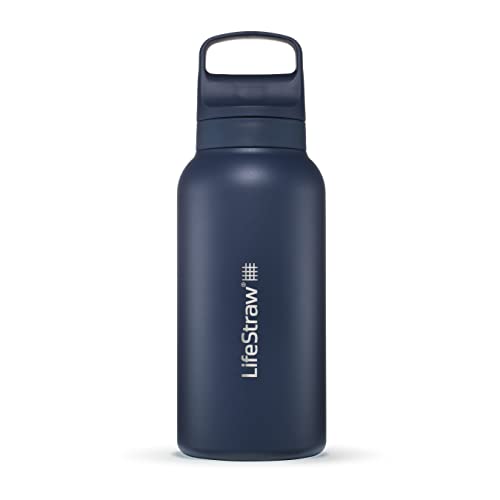
LifeStraw Go Series — Insulated…
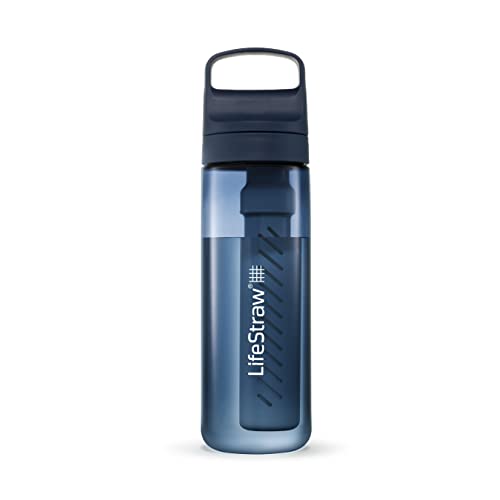
LifeStraw Go Series is the ULTIMATE SIDEKICK. The stainless steel BPA-Free bottle filters out nasties so you can fill up from airport bathrooms, a tap in Mexico, or a gas…
LifeStraw Go Series Water Filter…
LifeStraw Go Series is the ULTIMATE SIDEKICK. The BPA-Free bottle filters out nasties so you can fill up from airport bathrooms, a tap in Mexico, or a gas station while…
Brita Premium Filter Bottle, 26 oz (Night Sky)
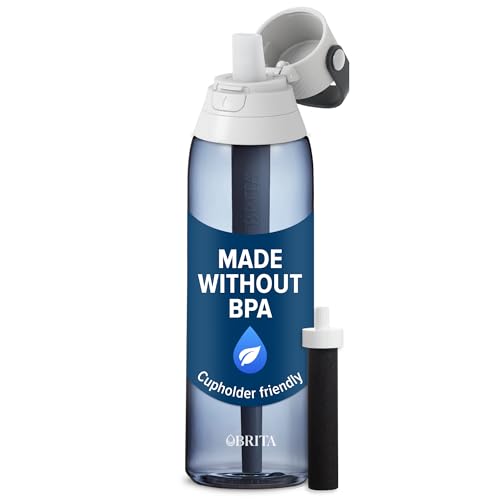
This Brita bottle is a simple way to make tap water taste better while you travel. It targets chlorine taste and odor, so hotel and airport water is easier to drink. The hard-sided build holds up in bags and cup holders. The 26 oz size hits a sweet spot for city days and long flights.
Use this when the water is treated but tastes off. It is not built to treat rivers or suspect sources. The filter lasts up to 40 gallons or about two months with daily use. Pop in a new filter and you are good to go again.
Pros:
- Improves taste and smell of tap water fast
- Large 26 oz capacity for fewer refills
- Durable, hard-sided design packs well
- Easy-sip straw and flip-top lid
- Filter replacements are affordable and easy to find
Cons:
- Not for lakes, rivers, or untreated water
- Flow rate slows as the filter ages
- Lid can trap moisture if not aired out
My Recommendation
If your trips are mostly cities, airports, and road travel, this Brita is a smart pick. It shines when you have safe municipal water that needs a flavor fix. It is not the Best Water Filter For Travel if you plan to drink from streams or wells. But for daily use on the go, it is simple and cost-effective.
| Best for | Why |
|---|---|
| City and hotel travel | Improves chlorine taste and odor from tap water |
| Airports and road trips | 26 oz size reduces refills and fits cup holders |
| Budget-minded users | Low-cost filters and easy maintenance |
LifeStraw Go Insulated Steel Bottle, 1L

The LifeStraw Go Insulated Steel bottle is built for real travel. It uses a membrane microfilter to remove bacteria and parasites, and it also reduces microplastics. The carbon filter improves taste from tap and natural sources. The stainless steel body helps keep water cold, which is a treat on hot days.
This is a safer pick for hikes, buses, and countries where water quality changes by the block. You drink through the straw, so the water filters as you sip. The 1-liter size is generous, and that matters when you do not know the next clean fill point. If you need one bottle for many settings, this one hits a sweet spot.
Pros:
- Removes bacteria and parasites for safer hydration
- Reduces microplastics and improves taste
- Insulated steel keeps water cold longer
- Big 1L capacity for long gaps between fills
- Proven brand with clear testing claims
Cons:
- Heavier than plastic filter bottles
- Sipping through a straw takes some effort
- Does not remove viruses; use care in high-risk areas
My Recommendation
If you want the Best Water Filter For Travel in mixed conditions, start here. It covers bacteria and protozoa on the trail and fixes taste in town. It is tough, simple, and has room to spare. For virus protection, pair with disinfectant drops when needed.
| Best for | Why |
|---|---|
| Backpacking and day hikes | Membrane filter handles bacteria and parasites |
| Hot climates | Insulation keeps water cold for hours |
| Long travel days | 1L capacity cuts down on refill stops |
LifeStraw Go Bottle, 22 oz (BPA-Free)

This is the classic LifeStraw Go in a lighter, smaller form. The 22 oz size is easy to carry in a day bag. It uses the same core tech to remove bacteria and parasites and reduce microplastics. The carbon stage helps with taste from taps and fountains.
It is a great entry point into true travel filtration. You still sip through a straw, so pace your drinking a bit. If you want less weight and do not need a full liter, this is a smart pick. It fits tight airline seat pockets and most bike cages without a fuss.
Pros:
- Proven bacteria and parasite removal
- Lightweight and easy to pack
- Improves taste with a carbon filter
- Good price for a true filter bottle
- Reliable brand support and parts
Cons:
- 22 oz may feel small for long hikes
- Suction required; not a chug-style bottle
- No virus protection; add a purifier step if needed
My Recommendation
If you travel light and want real protection, this is strong. It hits the Best Water Filter For Travel mark for day trips, city walks, and short hikes. The size keeps weight down without feeling tiny. Add purification tablets if virus risks are high.
| Best for | Why |
|---|---|
| Ultralight travel | Compact 22 oz size and low weight |
| City and trail mix | Membrane + carbon for safety and taste |
| First-time filter users | Simple design and fair price |
Brita Hard-Sided Filter Bottle, 26 oz (Blush)

This Brita is a tap-focused bottle with a sleek look. The filter reduces chlorine taste and odor and catch some particulates. The lid flips open with one hand, which is handy in transit. The blush color adds a soft touch that stands out.
Use it on city trips when you want clean-tasting water from sinks and fountains. Do not use it for rivers or unknown sources. The filter life is rated for about 40 gallons or two months. It is easy to clean and simple to keep in the car or gym bag too.
Pros:
- Great for improving tap water taste
- One-handed flip lid for quick sips
- Large 26 oz capacity
- Affordable filter replacements
- Hard-sided design resists dings
Cons:
- Not for microbiological risks in the wild
- Straw can trap droplets; dry after use
- Flow slows with very cold water
My Recommendation
For daily travel and tap fills, this is an easy pick. It is not the Best Water Filter For Travel for backcountry trips. But in cities it does the job well. Bring it when you value taste, speed, and a low price.
| Best for | Why |
|---|---|
| Urban travel | Reduces chlorine taste in tap water |
| Commutes and gyms | Flip-top lid and durable body |
| Budget buyers | Low total cost of ownership |
Philips GoZero Everyday Steel Filter Bottle

The Philips GoZero Everyday filter bottle focuses on tap water. It uses a filter that targets chlorine, taste, and odor. The stainless steel body helps keep drinks cold for up to a day. The build feels premium and travel-ready.
This is a solid choice for flights, offices, and hotels. It is not meant for untreated sources like streams or ponds. The filter life is rated around 40 gallons or two months of common use. For many trips, that means you can pack one filter and go.
Pros:
- Very good taste improvement on tap water
- Insulated steel keeps water cold
- Simple parts and easy upkeep
- Comfortable sip and easy carry handle
- Sleek look that fits business travel
Cons:
- Not a microbiological purifier or trail filter
- Heavier than plastic bottles
- Replacement filters less common in small shops
My Recommendation
If your travel is urban and you value cold water all day, this is excellent. It feels premium and tastes clean. It is not the Best Water Filter For Travel for backcountry use. But for city trips and everyday carry, it is a strong, stylish tool.
| Best for | Why |
|---|---|
| Office and business travel | Clean taste and premium look |
| Summer commutes | Insulation keeps drinks cold up to 24 hours |
| Air travel | Easy to fill post-security and sip on board |
Brita Stainless Steel Filter Bottle, 20 oz
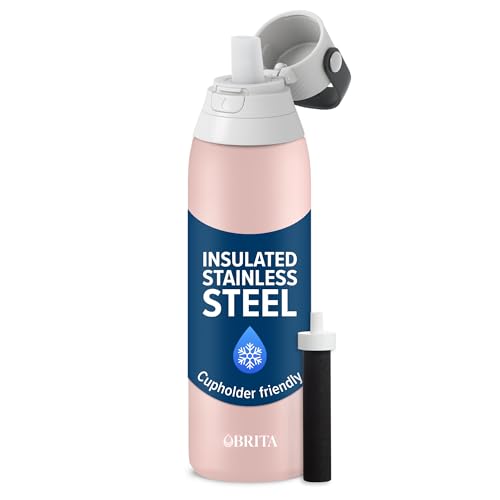
This stainless Brita bottle pairs tap-focused filtration with insulation. It cuts chlorine taste and odor and smooths out city water. The 20 oz size is compact and easy to hold. The steel body helps keep water cold for hours.
It is perfect for people who want a smaller, cooler sipper. Use it for safe taps in airports, gyms, and hotels. It is not designed for streams or wells. If you like style and a chill sip, this fits that bill.
Pros:
- Improves tap water taste and smell
- Insulated body for cool drinks
- Compact 20 oz form fits small bags
- Trusted filter brand with easy parts
- Spill-resistant lid for travel
Cons:
- Lower capacity means more refills
- Heavier than plastic in the same size
- Not for raw, untreated sources
My Recommendation
If you want a small, stylish tap filter, this is a winner. It is not the Best Water Filter For Travel for wild water, but it shines in cities. The insulation makes a clear difference on hot days. It also packs well in tight bags.
| Best for | Why |
|---|---|
| Light packers | Compact 20 oz size and sleek design |
| Warm climates | Insulation keeps water cooler |
| Daily commutes | Quick sips and easy cleaning |
Survimate 5-Stage 0.01µm Filter Bottle

This Survimate bottle uses a tight 0.01µm ultrafiltration stage with carbon. It is designed for outdoor use where bacteria and sediments may be present. The 5-stage system aims to improve clarity and taste. The brand notes NSF/ANSI 42 and 372 certifications related to aesthetic improvement and lead-free materials.
Drink through the straw to filter as you go. Flow will feel tighter than tap-only bottles, which is normal with finer filters. While 0.01µm can reduce a wide range of contaminants, always confirm local risks and add purification for viruses if needed. For camping, hiking, and emergencies, this is a capable option.
Pros:
- 0.01µm ultrafiltration for fine particulate and bacteria
- Carbon stage improves taste from natural sources
- Useful for survival kits and remote travel
- Good value for a multi-stage system
- Lead-free materials per 372 standard
Cons:
- Suction effort is higher than tap filters
- May not fully address viruses; use extra steps if needed
- Filter life depends a lot on source water quality
My Recommendation
If your trips include trails or rural areas, this is strong. It edges closer to the Best Water Filter For Travel for backcountry use thanks to its tight pore size. Pack disinfection tabs for high-risk zones. For emergency kits, keep one ready and learn the flow before you need it.
| Best for | Why |
|---|---|
| Camping and hiking | Fine 0.01µm membrane for safer sips |
| Emergency readiness | Multi-stage system handles a range of issues |
| Budget backcountry users | Good performance for the price |
How to choose the Best Water Filter For Travel
Pick based on your water sources. If you only use tap water, a taste filter like Brita or Philips is fine. If you use streams or suspect taps, choose a true filter like LifeStraw or Survimate. For the highest risk, add a purifier step that targets viruses.
Know the standards. NSF/ANSI 42 covers taste and odor. 53 addresses certain health contaminants. 372 covers lead-free materials. Microbiological purifiers are often tested to a P231 protocol, which is a tougher bar than basic filters. For bacteria and protozoa, a 0.1–0.2µm membrane is common. For viruses, pair with chemical treatment, UV, or a purifier cartridge.
Think about flow and size. Straw bottles need suction and can feel slower. Squeeze and gravity systems move more water but add parts. Bottle size also matters. A 1L bottle reduces refills but adds weight. A 20–26 oz bottle is easier to carry and fits more holders.
Mind the total cost. Factor in replacement filters for a year. Carbon filters for taste are cheap and short-lived. Membrane microfilters cost more but last longer. Check shelf life too, since some filters work best within a set time after first use.
Keep it simple. You will use a simple system more often. The Best Water Filter For Travel is the one you trust, can clean fast, and remember to maintain. Test it at home before your trip.
Testing notes and real-world tips
I test with a few goals: taste, flow, and confidence. For taste, I compare unfiltered tap to filtered sips. For flow, I time a 10-second sip and note fatigue. For confidence, I check clarity and smell from mixed sources, and I align claims with known standards.
Membrane filters shine on trails. They clear up silt and reduce risk from bacteria like E. coli and protozoa like Giardia. Carbon makes tap water easier to drink and can reduce some chemicals and byproducts. None of the bottles listed are full virus purifiers, so add a backup step when needed.
Use these tips to get better results:
- Break in a new filter with two full rinses to reduce carbon dust taste.
- Keep cold water in insulated bottles to improve flavor and comfort.
- Let sediment settle before filling from natural sources to extend filter life.
- Air-dry straws and lids to prevent stale smells.
- Store spare filters in a sealed bag away from heat and sun.
Safety basics for travelers
Match the tool to the risk. Tap water in many countries is chlorinated but can taste harsh. A taste filter helps. In rural or backcountry areas, protect against bacteria and parasites. Add virus protection when guidance says risk is high, like during outbreaks or in some regions with poor sanitation.
Follow clear rules: do not use these bottles on seawater. Do not push muddy water through the straw; pre-filter with a cloth. Replace filters on time. If water looks oily or smells like solvents, do not filter it—find a safe source.
The Best Water Filter For Travel is also about habits. Wash hands before filling. Clean threads and lids often. Use sealed taps in airports or hotels when possible. Stay hydrated, but stay smart.
FAQs Of Best Water Filter For Travel
Do I need virus protection in a travel filter?
It depends on the destination and source. Most filters here remove bacteria and protozoa. For virus risks, add a purifier step like UV or drops.
Can I use Brita or Philips bottles on river water?
No. Those are for treated tap water. Use a bottle with a membrane microfilter, like LifeStraw or Survimate, for natural sources.
How often should I replace the filter?
Carbon taste filters last about 40 gallons or two months. Membrane filters last longer but depend on water quality. Follow the brand guide.
Why is the flow slow when I sip?
Straw filters need suction to push water through the media. Flow also drops as filters load with particles. Replace or backflush if allowed.
What size bottle is best for travel days?
For flights and city walks, 20–26 oz is easy to carry. For long gaps between fills, 1L cuts stops. Pick based on your route.
Final Verdict: Which Should You Buy?
For mixed trips with tap and trail, the LifeStraw Go Insulated Steel, 1L, is my top Best Water Filter For Travel. It blends safety, taste, and cold water comfort.
Only using tap water? Choose Brita or Philips for taste and ease. Need more backcountry range? Survimate offers tighter filtration with smart value.