
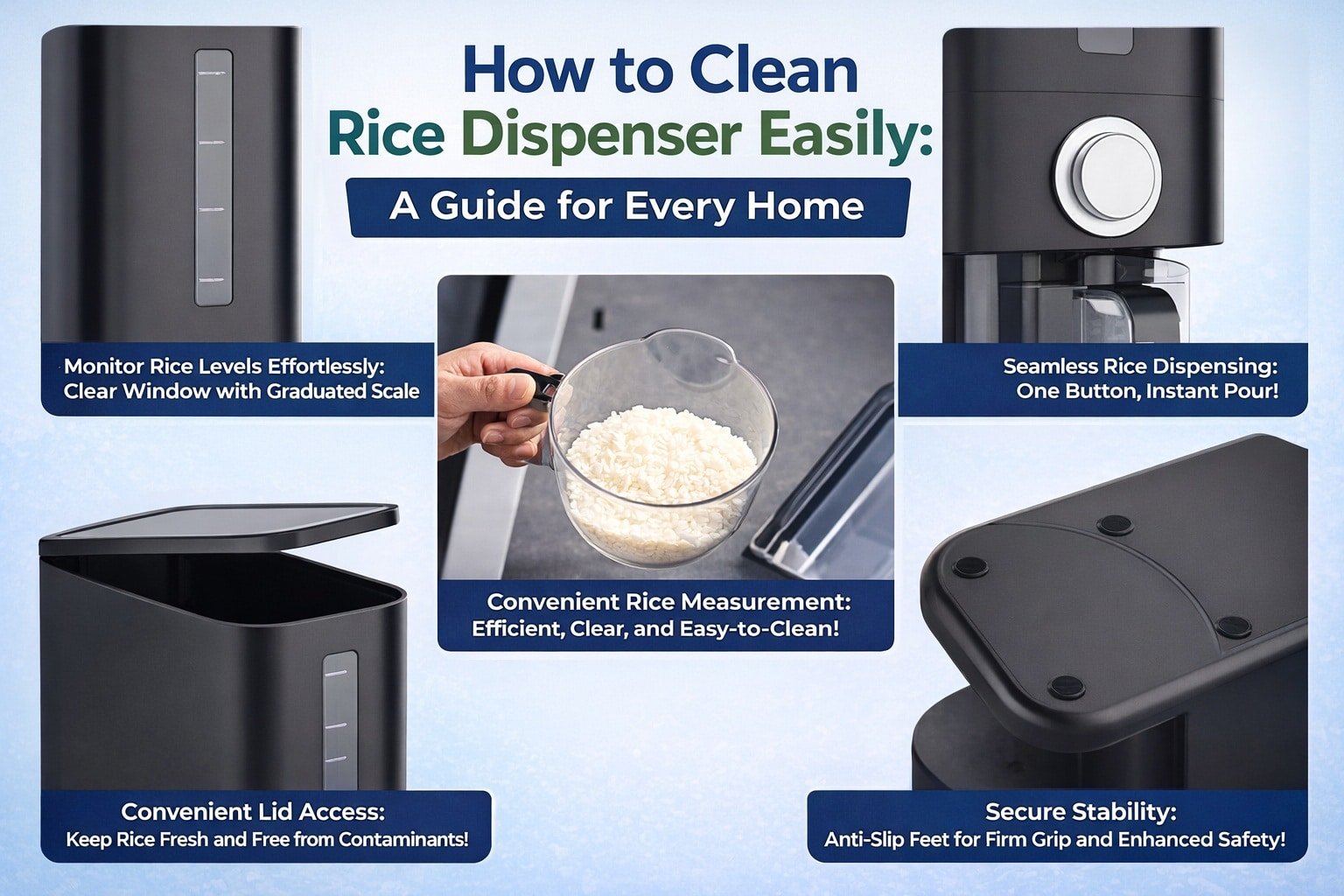
Empty bin, disassemble parts, wash, sanitize, air dry, and reassemble monthly.
If you want fresh, bug-free rice every time, learning How to Clean Rice Dispenser is key. I’ve cleaned many styles in home and test kitchens, from simple gravity chutes to electric models with augers. This guide shows you How to Clean Rice Dispenser the right way, with safe steps, smart tools, and pro tips that keep rice crisp, dry, and ready to cook. Read on for a simple plan you can trust.

What a Rice Dispenser Is and How It Works
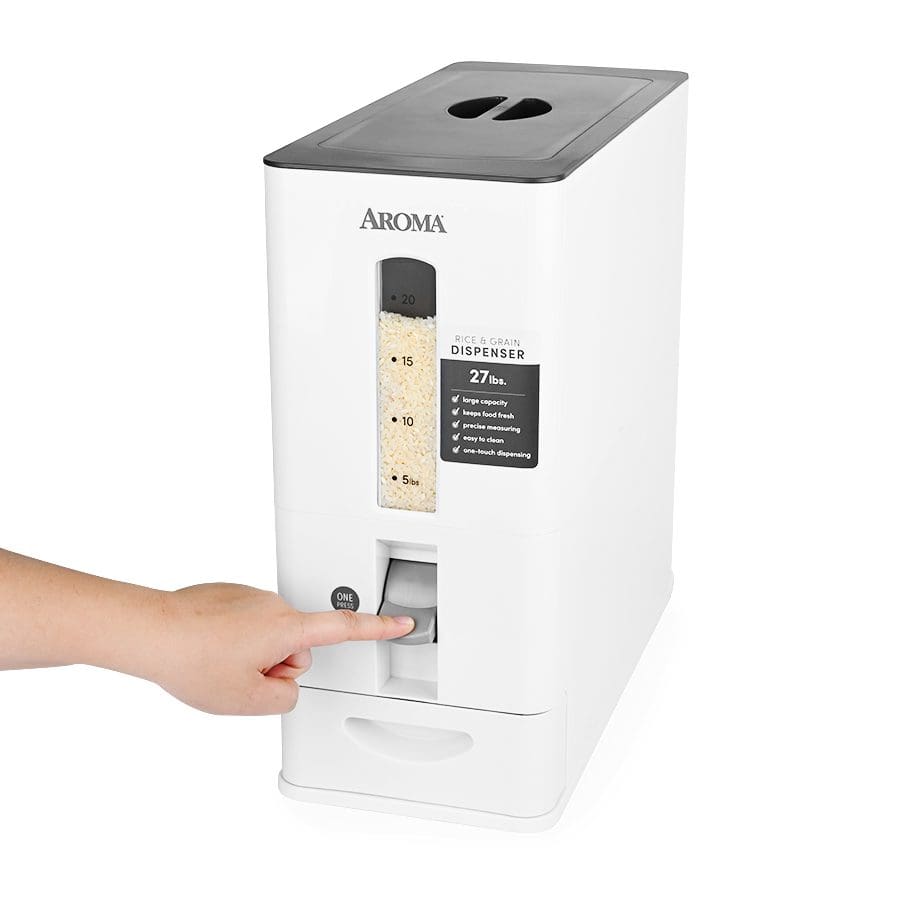
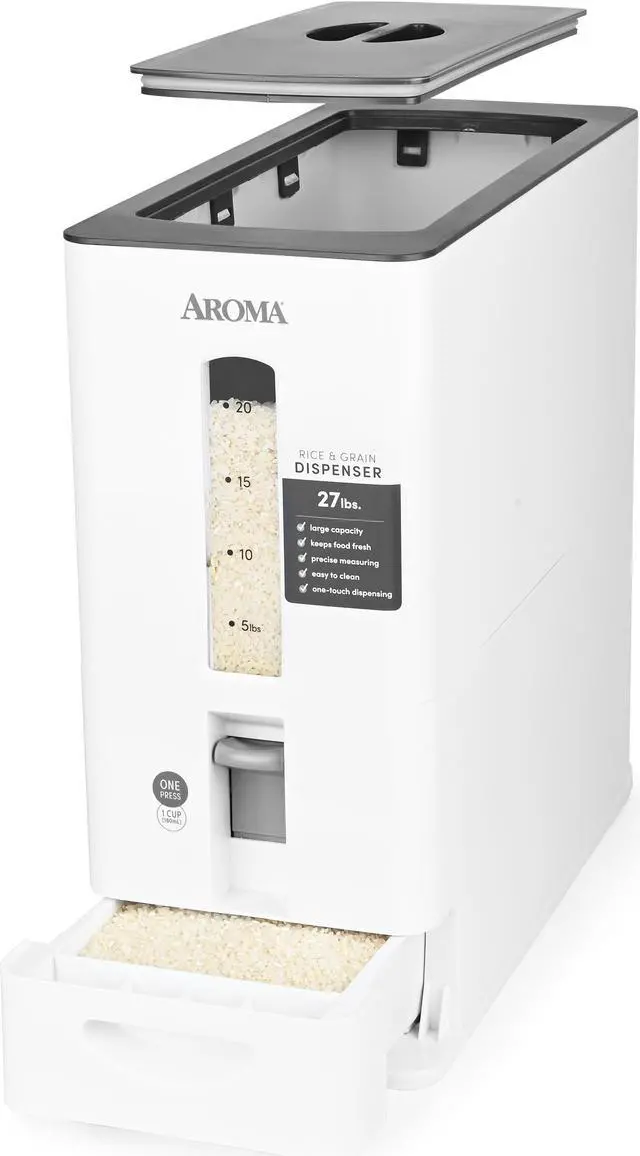
A rice dispenser stores dry rice and releases a set amount with a press or pull. Most home units are gravity-fed bins with a lever and a chute. Some high-end models use an auger to measure each portion.
Parts you may see:
- Lid or top door. Keeps dust and moisture out.
- Hopper or bin. Holds the rice.
- Measuring cup or drawer. Collects the rice.
- Chute and slide. Guides the flow.
- Gasket or seal. Protects from air and pests.
- Base or stand. Keeps the unit stable.
Before we dive into How to Clean Rice Dispenser, it helps to know which parts come off and which do not. Always check the manual if you have one.
Why Cleaning Your Rice Dispenser Matters
Rice is dry, but it still attracts moisture, dust, and tiny pests. Old grains can leave oil and starch that turn rancid. That creates off smells, clogs, and sticky residue.
A clean unit helps you:
- Prevent rice weevils and pantry moths.
- Avoid mold, stains, and sour odors.
- Keep portions accurate and smooth.
- Protect your family with good food safety.
Regular care is the best way to master How to Clean Rice Dispenser with less time and effort.
Tools and Supplies You’ll Need
Gather your kit before you start. It makes the job fast and neat.
- Soft dish soap. Cuts oils without harsh scent.
- Warm water. Helps lift starch and film.
- White vinegar. Natural deodorizer and mineral remover.
- Baking soda. Gentle scrub for stuck film.
- Food-safe sanitizing option. Use 1 tablespoon unscented bleach per gallon of water for about 200 ppm chlorine, or a food-safe sanitizer per label.
- Soft sponge or microfiber cloth. Won’t scratch.
- Small brush or old toothbrush. Reaches seams and chutes.
- Long bottle brush. Cleans tubes and corners.
- Lint-free towel or paper towels. For drying.
- Airtight container or clean bag. To hold rice while you clean.
These are the same tools I use when I teach How to Clean Rice Dispenser in home workshops.
Safety and Prep Before You Start
A little setup saves spills and stress.
- Unplug electric models. Keep cords and panels dry.
- Empty all rice. Pour into a clean, airtight container.
- Shake out dust. Turn the unit over a sink or trash can.
- Clear a workspace. Lay a towel on the counter.
- Check the manual. Note which parts are dishwasher-safe.
Now you’re ready to follow How to Clean Rice Dispenser without mess.

Step-by-Step: How to Clean Rice Dispenser
Follow these simple steps. I use this same flow in my kitchen tests.
- Disassemble what you can
- Remove the lid, measuring cup, and any slide or chute covers.
- Lift out the internal bin or drawer if it’s designed to come out.
- Dry brush and tap
- Use a soft brush to sweep out grains and dust.
- Tap the body gently over the sink to loosen hidden bits.
- Wash removable parts
- Fill a basin with warm water and a few drops of dish soap.
- Soak lids, bins, and cups for 5–10 minutes, then scrub.
- Rinse with clean water.
- Clean the body and chute
- Dampen a cloth with soapy water. Wipe every surface, inside and out.
- Use a toothbrush on seams, corners, and the chute mouth.
- For narrow channels, use a long bottle brush.
- Deodorize and descale
- Wipe inside surfaces with a 1:1 mix of white vinegar and water.
- Let sit 3–5 minutes, then wipe again with clean water.
- Sanitize food-contact areas
- Apply a food-safe sanitizer. If using bleach, mix 1 tablespoon unscented bleach per gallon of water. Wipe or spray light coverage.
- Let air sit for at least 1 minute. Do a final rinse only if your sanitizer requires it.
- Dry fully
- Towel-dry removable parts. Air dry the rest until no moisture remains.
- Moisture is the top reason rice clumps and mold grows.
- Reassemble and reload
- Put parts back in place. Check that seals fit and levers move.
- Pour rice back in. Date the bin with a small label.
Repeat this core How to Clean Rice Dispenser routine every 4–6 weeks, or more often in humid areas.
Deep Clean, Odor Removal, and Mold Fixes
Sometimes you need more than a quick wash. Here is what works for bigger issues.
- Stuck starch film
- Make a paste of baking soda and water.
- Rub gently with a sponge. Rinse well.
- Musty or stale smell
- Wipe with a 1:1 mix of vinegar and water.
- Air out with the lid open for 2–3 hours.
- Place a small sachet of fresh baking soda near (not in) the rice zone.
- Mold spots on plastic or silicone
- Wash with soap first.
- Sanitize with the bleach mix above, or a labeled food-contact sanitizer.
- Rinse if the product requires it. Dry in full sun if possible.
- Rust on metal parts
- Use a paste of baking soda and water. Rub with a soft brush.
- Dry at once. Lightly oil hinges with food-grade mineral oil. Wipe off excess.
Use these deep-clean moves as part of How to Clean Rice Dispenser when you spot odors or growth.

Maintenance Schedule and Best Practices
Build simple habits that protect your grains and your gear.
- Weekly
- Wipe the lid and handle. Check for moisture.
- Shake the chute to keep it free-flowing.
- Monthly
- Do the full How to Clean Rice Dispenser routine.
- Inspect gaskets and seals. Replace if cracked.
- Each refill
- Finish old rice before adding new.
- If you blend batches, date the bin and use the oldest first.
- Climate control
- Keep the dispenser in a cool, dry spot.
- Add a food-safe desiccant near (not touching) rice if humidity is high.
Small steps keep rice fresh and stop pests before they start.
Troubleshooting: Jams, Sticky Slides, and Inaccurate Portions
Common issues and quick wins I’ve used in test kitchens:
- Jammed chute or auger
- Empty the bin. Brush the channel. Look for warped parts.
- If an auger binds, a grain may be stuck in the bearings. Clear with a thin brush.
- Sticky slide or lever
- Residue builds up fast. Remove the slide, soak in soapy water, and scrub seams.
- Lightly rub food-grade mineral oil on metal-only hinges. Keep oil away from rice paths.
- Inaccurate measure
- Old starch can throw off portioning. Do a full How to Clean Rice Dispenser cycle.
- Recalibrate if the model allows. Test with a kitchen scale.
- Odor returns fast
- Rice may be old or damp. Replace with fresh, dry rice from a sealed bag.
- Store the dispenser away from steam and sunlight.
A focused clean fixes most performance issues without tools.

Common Mistakes to Avoid
Learn from where people slip. I’ve seen all of these, and they’re easy to fix.
- Leaving moisture inside after washing. This invites clumps and mold.
- Topping off old rice with new. This hides stale rice at the bottom.
- Skipping the chute. That’s where residue builds first.
- Using scented cleaners. Odors transfer to rice.
- Forgetting to unplug electric models. Safety first.
- Using harsh scrubbers. Scratches trap food soil.
Avoid these, and How to Clean Rice Dispenser will stay quick and easy.
Real-Life Tips From My Kitchen
Here are small tricks that made a big difference in my routine.
- Keep a narrow bottle brush clipped to the dispenser. I clean the chute in 30 seconds each week.
- Date every refill with painter’s tape. It helps me track freshness at a glance.
- During summer, I run a fan near the drying parts for 10 minutes. It speeds up air drying.
- I freeze new rice for 48 hours before storage when I suspect pests. Then I let it come to room temp, dry, and store. This simple step has kept weevils away.
These habits make How to Clean Rice Dispenser feel like a two-song task, not a chore.
Frequently Asked Questions of How to Clean Rice Dispenser
How often should I clean my rice dispenser?
Do a quick wipe weekly and a full clean every 4–6 weeks. In humid areas, clean every 2–3 weeks.
Can I put parts of my rice dispenser in the dishwasher?
Many lids and cups can go in the top rack, but check the manual. Hand wash gaskets and any parts with labels or coatings.
What sanitizer is safe for food-contact surfaces?
Use 1 tablespoon unscented bleach per gallon of water or a labeled food-safe sanitizer. Follow contact time and rinse rules on the label.
How do I stop rice weevils or pantry moths?
Clean on schedule and keep the bin dry and sealed. Freeze new rice for 48 hours before storing if you’ve had pests.
Is vinegar safe for plastic or stainless dispensers?
Yes, diluted vinegar is fine for plastic and stainless. Avoid long soaks on rubber seals; wipe and rinse instead.
What if my dispenser smells even after cleaning?
Let it air dry open for a few hours and wipe with vinegar solution. Replace old rice and check for hidden damp spots.
How can I fix a lever that sticks?
Remove the lever and soak it in warm, soapy water. Scrub seams with a toothbrush, dry well, and reassemble.
Conclusion
A clean rice dispenser protects freshness, flavor, and your peace of mind. Empty, wash, sanitize, dry, and reassemble on a simple schedule, and you’ll get smooth portions and zero musty smells. Start with one full clean today, label your refill date, and set a calendar reminder for next month. If this guide helped, share it with a friend, subscribe for more smart kitchen care, or leave a comment with your own tips on How to Clean Rice Dispenser.





5 Comments