Pull a double espresso, steam milk to silky microfoam, combine 1:1:1 at home.
If you want to learn how to make cappuccino coffee at home, you’re in the right place. I’ve spent years dialing in café-level cappuccinos with and without a machine. In this guide, I’ll show you how to make cappuccino coffee at home step by step, share my tested tips, and help you avoid the classic mistakes so your first cup tastes like a pro made it.

What Is a Cappuccino? Definition, Ratio, and Texture
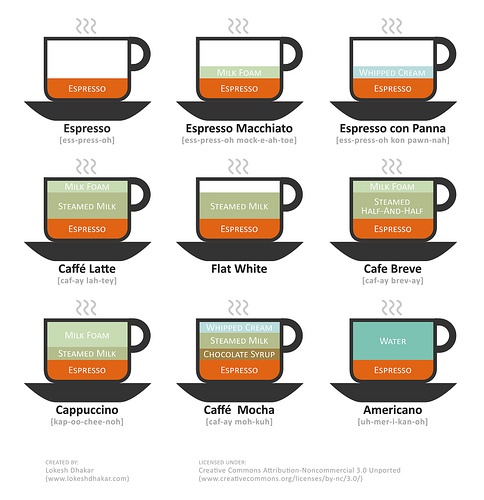
A cappuccino is a small, balanced coffee drink built from three equal parts by volume: espresso, steamed milk, and foam. The classic target is a 5 to 6 ounce cup. Think bold coffee flavor, creamy sweetness, and a light, airy cap.
Key parts:
- Espresso: The base. Rich and intense.
- Steamed milk: Warms and sweetens the cup.
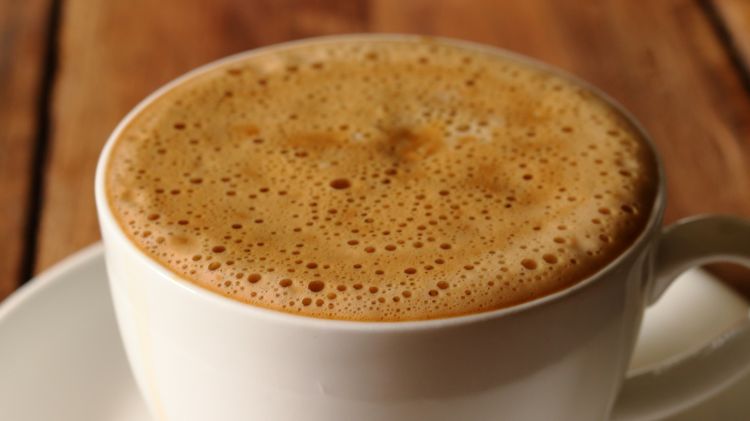
- Microfoam: Fine, glossy bubbles that sit on top and mix in.
Modern cafés often use a 1:1 espresso-to-milk ratio with a thin foam cap. The point is harmony, not a dry mound of bubbles. If you want to master how to make cappuccino coffee at home, learn the texture first.

Tools and Ingredients You Need
You can make a great cappuccino with simple gear. Here is what helps most.
Essential tools:
- Espresso machine with a steam wand, or a strong coffee maker substitute
- Grinder that can grind fine for espresso
- Milk pitcher (12 ounces works well)
- Thermometer, or use touch and sound cues
- Scale and timer for repeatable results
Espresso alternatives:
- Moka pot for concentrated coffee
- AeroPress for a short, strong brew
- Capsule machine that pulls espresso-style shots
Best ingredients:
- Fresh coffee beans roasted 7 to 21 days ago
- Filtered water with moderate minerals
- Milk you like: whole milk for body, 2% for balance, or a good barista oat milk
This simple kit supports how to make cappuccino coffee at home with repeatable quality.
Step-by-Step: How to Make Cappuccino Coffee at Home
Use this workflow. It is simple and consistent.
Espresso machine method:
- Warm the cup. Rinse with hot water.
- Grind and dose. Aim for 18 grams for a double shot.
- Tamp level and firm.
- Pull the shot. Target 1:2 ratio in 25 to 30 seconds. About 36 grams out.
- Steam milk. Fill the pitcher to the bottom of the spout. Purge the wand.
- Stretch. Keep the tip near the surface for 2 to 4 seconds to add air.
- Texture. Bury the tip just under the surface. Create a whirlpool. Heat to 140 to 150°F. The pitcher should feel hot, not painful.
- Polish. Tap and swirl to make a silky gloss.
- Pour. Hold the cup at an angle. Start high to mix, then lower to lay a thin cap.
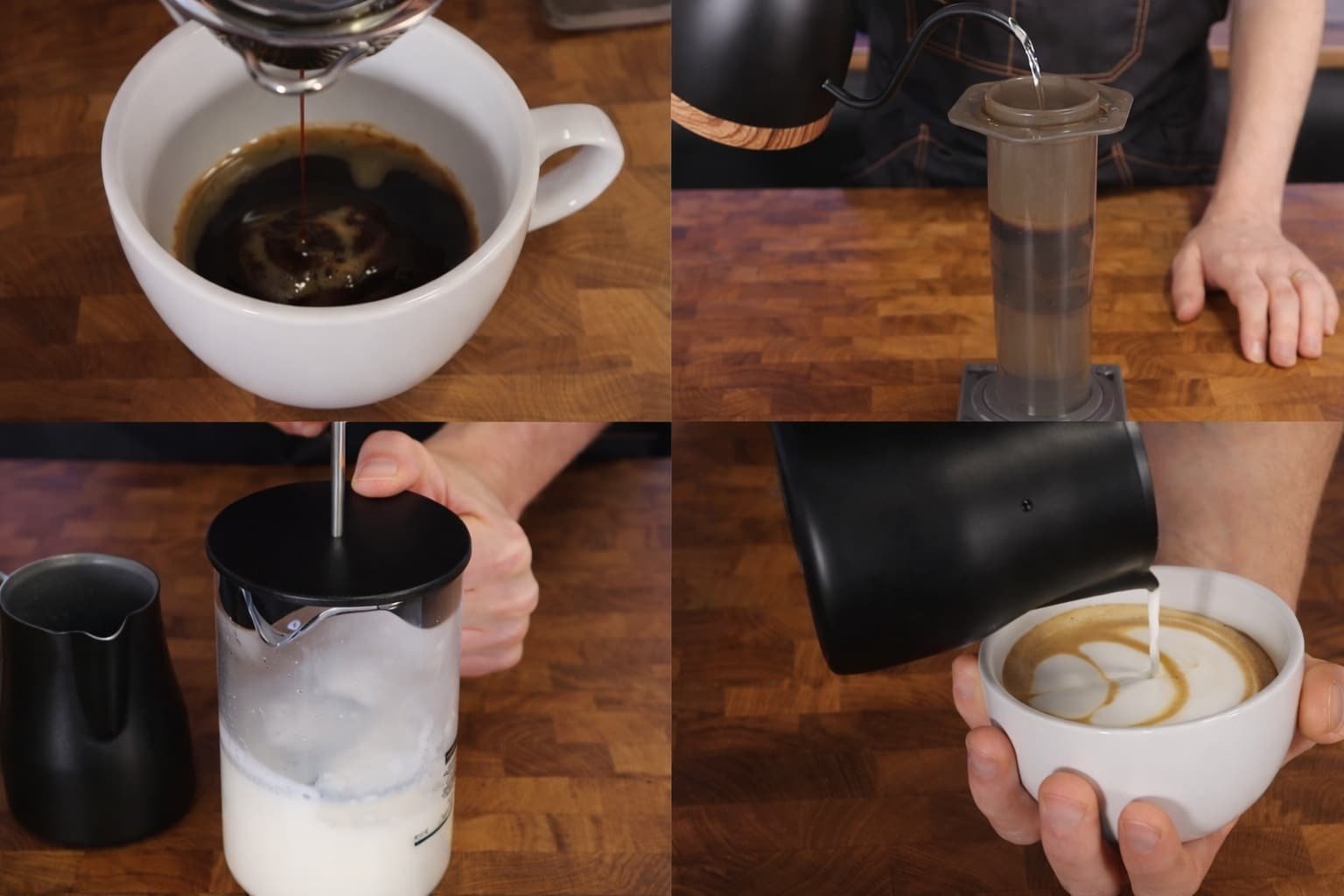
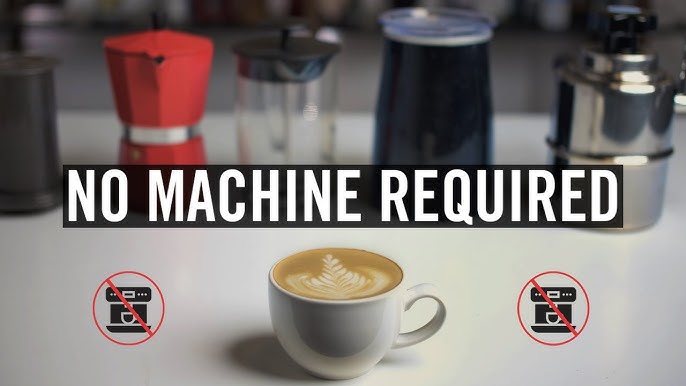
No-machine method (my go-to at a friend’s place):
- Brew a strong base. Use a Moka pot or AeroPress concentrate.
- Heat milk to 140 to 150°F on the stove or in the microwave.
- Froth milk. Use a handheld frother or pump a French press 20 to 30 times.
- Swirl to smooth. Let big bubbles pop.
- Build the drink. 1 part strong coffee, 1 part steamed milk, thin cap of foam.
Safety tip: Never steam milk above 155°F. Hotter milk tastes flat and can scald your tongue.
If you follow these steps, how to make cappuccino coffee at home becomes easy and fun.
Technique Tips From Experience
I learned these the hard way. They will save you time.
Milk microfoam:
- Start cold. Use cold milk and a cold pitcher.
- Stretch a little, then texture more. Stop adding air early.
- Listen. A soft paper-tear sound is right. Screeching means trouble.
- Aim for paint-like gloss. If it looks dull, it is too airy.
Pouring:
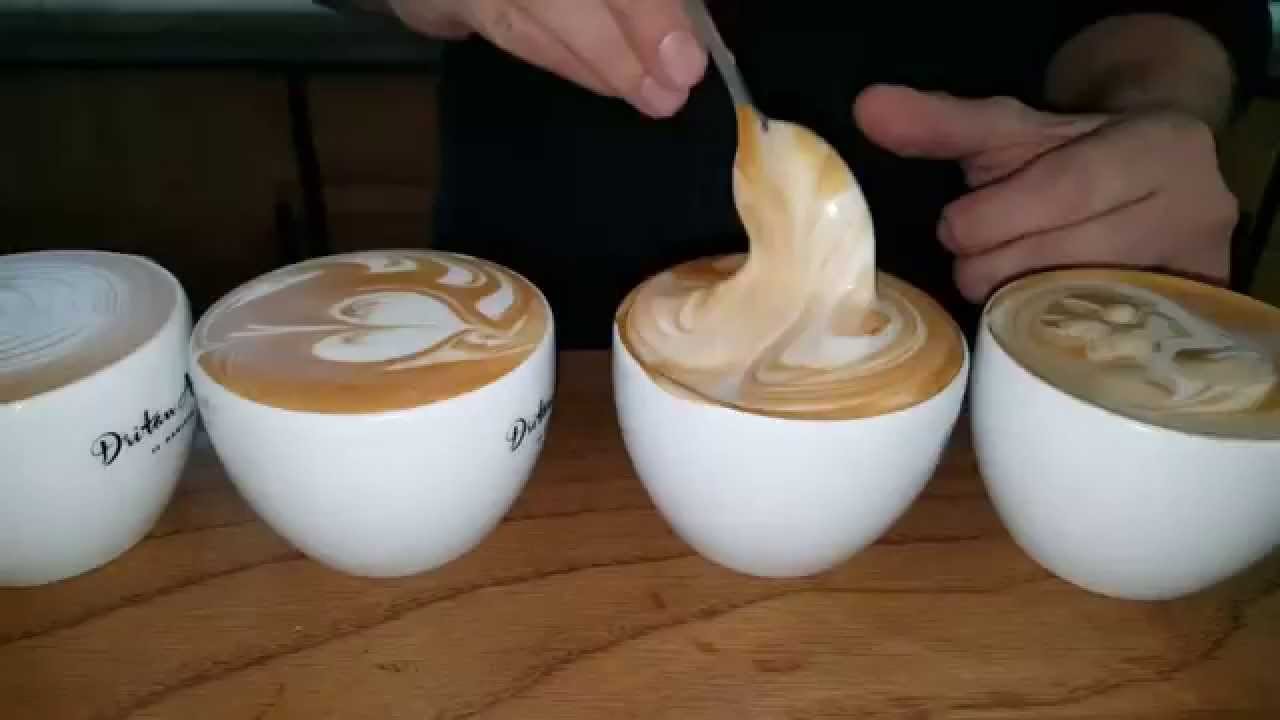
- Swirl the pitcher before you pour. Keep the foam and milk united.
- Start high to mix, then move low and close for a smooth cap.
- A thin cap tastes better than a dry dome.
Ratios that work:
- Classic by volume: 1 espresso, 1 steamed milk, 1 foam.
- Modern small cup: 30 to 40 ml espresso plus 90 to 120 ml steamed milk and foam.
These habits are the heart of how to make cappuccino coffee at home that tastes like a café.

Flavor Tuning: Beans, Milk, and Water
Beans:
- Medium or medium-dark roasts are forgiving in milk.
- Lighter roasts can taste bright; use a longer shot or hotter milk.
- Grind very fine for espresso. Keep shots within 25 to 30 seconds.
Milk:
- Whole milk gives more body and sweetness.
- 2% is easier to foam for beginners and still tastes rich.
- Oat and soy “barista” milks foam well. Heat them a little cooler, 130 to 140°F.
Water:
- Use filtered water. Medium minerals help extract sweetness.
- Ideal brew temperature is around 195 to 205°F.
Dialing flavor is part of how to make cappuccino coffee at home that matches your taste.

No Espresso Machine? Best Alternatives
You can still get close to a true cappuccino at home.
Moka pot cappuccino:
- Grind a bit finer than drip. Pack lightly.
- Brew on low heat. Stop early to avoid bitterness.
- Froth milk with a handheld frother or French press.
- Use the same 1:1:1 idea by volume.
AeroPress “pseudo-espresso”:
- Use 18 grams coffee and 60 to 70 ml water.
- Steep 30 seconds, press hard for 20 seconds.
- Froth milk and build like a cappuccino.
Capsule machines:
- Choose ristretto or espresso size.
- Froth milk with a wand or frother. Keep foam thin and glossy.
These methods keep the spirit of how to make cappuccino coffee at home without fancy gear.

Troubleshooting Common Issues
Big bubbles in foam:
- Lower the steam tip sooner. Texture longer.
- Tap and swirl to pop large bubbles.
Sour espresso:
- Grind finer. Brew hotter. Extend shot time a bit.
Bitter espresso:
- Grind coarser. Keep brew ratio to 1:2. Lower the water temp a touch.
Lukewarm drink:
- Preheat your cup. Steam milk to 140 to 150°F.
Plant milk splitting:
- Use “barista” versions. Heat a bit cooler and avoid over-stretching.
Fixing these small things sharpens how to make cappuccino coffee at home every day.
Nutrition and Health Notes
A 6-ounce cappuccino with whole milk is about 90 to 120 calories. With 2% milk it is closer to 70 to 90 calories. Most of the calories come from milk.
Caffeine varies by coffee and dose. A double espresso usually lands near 120 to 160 mg. If you are sensitive to caffeine, use a single shot or decaf.
If you are lactose intolerant, try lactose-free milk or a barista oat milk. Heat gently to keep it smooth.
Frequently Asked Questions of how to make cappuccino coffee at home
What is the ideal milk temperature for a cappuccino?
Aim for 140 to 150°F for dairy milk. For plant milks, stop at 130 to 140°F to prevent splitting.
Can I learn how to make cappuccino coffee at home without an espresso machine?
Yes. Use a Moka pot or AeroPress for a strong base, then froth milk with a handheld frother or French press. Keep the 1:1:1 balance.
What milk type froths best for beginners?
2% milk is very forgiving and still tastes creamy. Whole milk is richer but can hide small mistakes.
How is a cappuccino different from a latte?
A latte has more milk and a thinner layer of foam. A cappuccino is smaller and foam-forward, so the coffee flavor stands out.
Why is my foam thin and disappearing fast?
You likely steamed too hot or did not add enough air early. Keep stretching for only a few seconds, then texture to a glossy finish.
What grind size should I use for espresso shots?
Use a very fine grind, finer than table salt. Adjust so your double shot pours in about 25 to 30 seconds.
How many ounces should a cappuccino be?
Most cappuccinos sit between 5 and 6 ounces. That keeps espresso, milk, and foam in balance.
Conclusion
Now you know how to make cappuccino coffee at home from beans to pour. Start with a solid double shot, steam to silky microfoam, and keep the cup small. Practice the stretch-then-texture dance and your results will jump fast.
Make one today. Try two milk types, time your shot, and note the taste. If this helped, subscribe for more home barista guides, share your pour in the comments, and ask your next coffee question.