
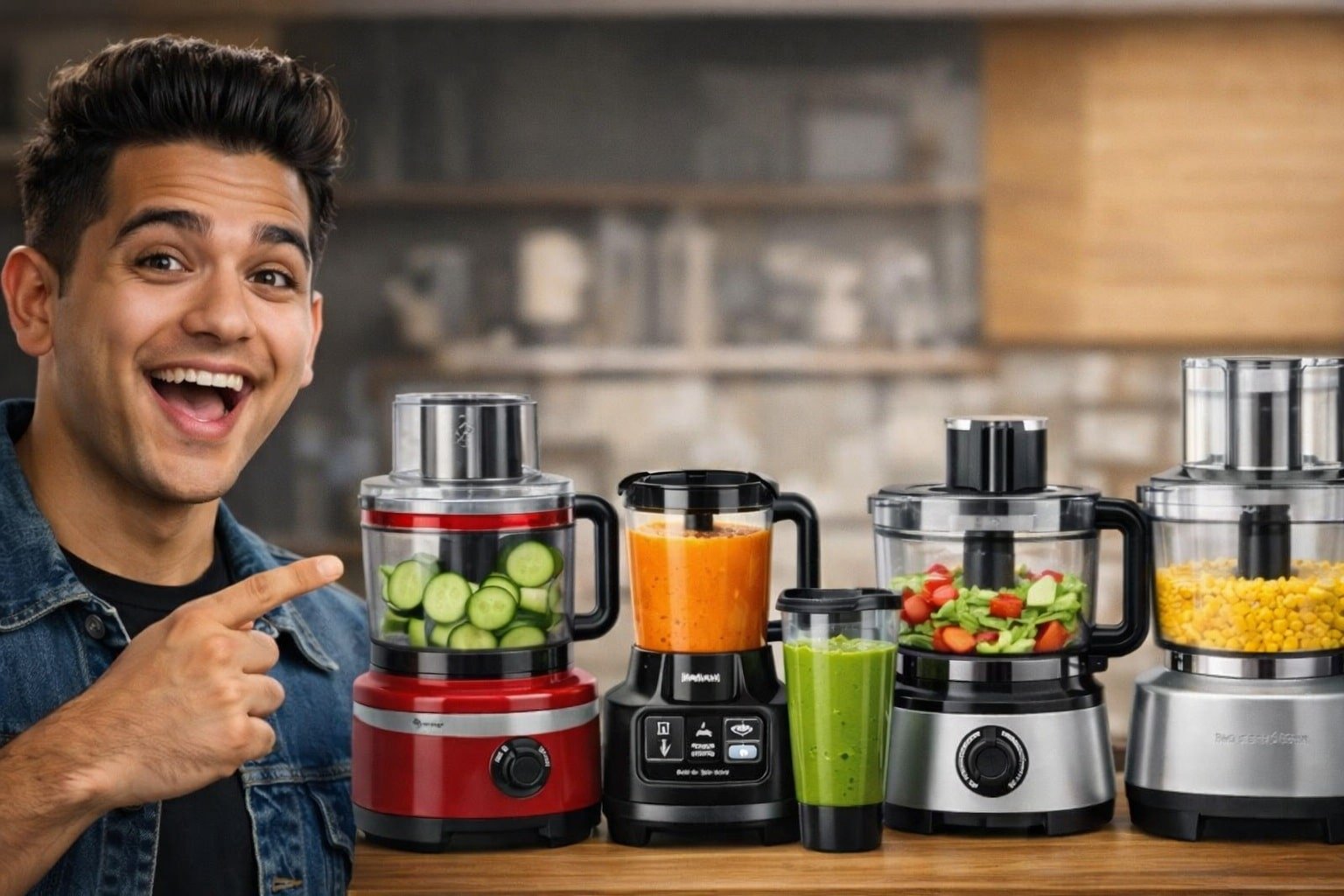
Pick a 10–14 cup, quiet, safe processor with sharp discs and strong torque.
If you want a fast, safe, and future-proof helper, you are in the right place. I test kitchen gear for a living and cook daily for a busy home. In this guide on how to choose the best food processor for your kitchen in 2026, I break down specs, smart features, noise, safety, and real use. You will learn which size, motor, and blades matter, and which add-ons you can skip for your style.
Source: techradar.com
What a food processor does in 2026
A food processor chops, slices, shreds, purees, and kneads. It saves time on prep and keeps cuts even. In 2026, many models add smart load sensing, app tips, and self-clean pulses. That helps you get repeatable results at home.
Blenders crush and blend liquids better. Mixers are best for mixing and whipping. A food processor shines with dry or semi-wet prep. It handles slaws, salsa, pesto, nut butters, pie dough, and more. This guide shows how to choose the best food processor for your kitchen in 2026 based on what you cook most.
:max_bytes(150000):strip_icc()/sea-primary-stand-mixers-nov-24-nsimpson-384-f4260856847f47e2a5827c4872ba52ec.jpeg)
Source: seriouseats.com
Step-by-step: how to choose the best food processor for your kitchen in 2026
Start with your space, diet, and batch size. Then pick specs that match. Here is a simple path I use when testing.
- Capacity and bowl sets
Pick the bowl size for your weekly prep.
- 8–10 cup: small kitchens, couples, quick dips.
- 11–14 cup: most homes, slaws, dough, family meals.
- 15–16+ cup: large families, meal prep, party trays.
- Mini bowl insert: tiny jobs like herbs, garlic, baby food.
- Look for stacking bowls to save space.
- Power, torque, and motor type
Watts tell only part of the story. Torque and gearing move heavy loads.
- 600–900 watts handles salsa and slicing.
- 1000–1300 watts with gear reduction handles dough and nut butter.
- Brushless DC motors run quieter and last longer.
- Load-sensing keeps speed steady under pressure.
- Blades and discs you will use
Skip clutter. Choose sharp, durable tools.
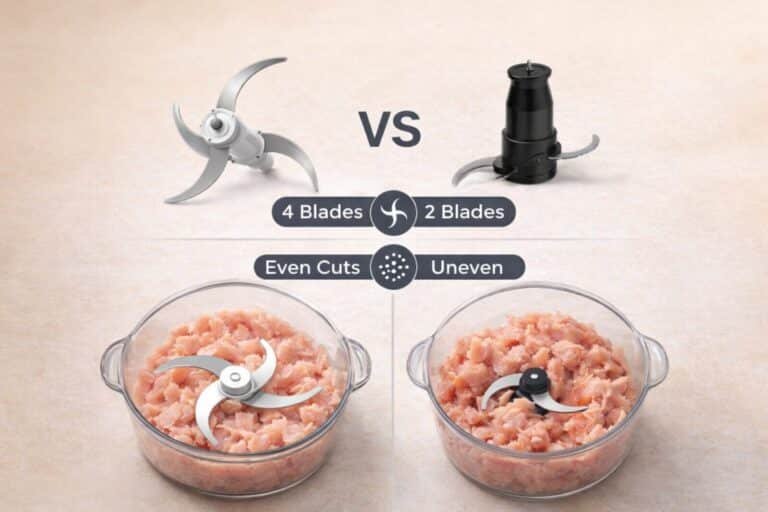
- S-blade for chopping, purees, pesto.
- Dough blade for pie and pizza dough.
- Slicing discs: adjustable thickness is a plus.
- Shredding discs: fine and coarse.
- Dicing and julienne kits: great if you love neat cubes or stir-fries.
- Metal quality matters. Stainless steel with a solid hub lasts.
- Controls and speeds
Simple is best.
- Pulse button for control.
- Low/High or variable dial for fine tuning.
- Presets help, but are not vital.
- A countdown timer is great for dough and nuts.
- Smart features that earn their keep
Smart should help, not distract.
- Auto-sense load adjusts power.
- App tips for speeds and disc picks.
- Overload and overheat alerts protect the motor.
- OTA firmware updates extend life. Opt-in only.
- Safety and build
Safety locks save fingers and motors.
- Interlocking lid and feed tube with firm click.
- Wide and narrow feed chutes for control.
- Stable base with rubber feet.
- BPA-free, food-grade bowls. Tritan is tough and clear.
- UL or ETL certification shows tested safety.
- Cleaning and storage
Easy cleanup means you use it more.
- Dishwasher-safe bowls and discs on top rack.
- Fewer crevices and gaskets.
- Disc storage case keeps edges sharp and safe.
- Removable drive shaft helps cleaning under the bowl.
- Noise and vibration
You want power, not rattle.
- Brushless motors and heavier bases reduce noise.
- Under 85 dBA at arm’s length feels calmer.
- A silicone mat can cut counter buzz.
- Warranty, repair, and parts
A good processor lasts years.
- Two to five year warranty is common. Motors may have longer.
- Check parts availability: bowls, lids, discs.
- Look for US-based service or fast global support.
- Price and value
Buy once, cry once, but do not overbuy.
- Under $150: small jobs, light use, basic discs.
- $150–$350: sweet spot for most homes, better motors, more discs.
- $350+: heavy use, quieter, smart features, pro cuts.
Personal note: I once thought more watts fixed everything. Then I tested two models on pie dough. The lower watt, gear-reduced motor made smoother dough and ran cooler. That is why how to choose the best food processor for your kitchen in 2026 means checking torque, not just watts.
Quick answers inside this step
- Do you need a dicing kit? Yes, if you love even cubes for salads and soups. If you just make slaw, skip it.
- Glass or plastic bowl? Plastic Tritan is lighter and safer. Glass is rare and heavy.
- Is a combo blender-processor good? It saves space, but each task is a trade-off.

Source: cnn.com
Match the machine to your cooking style
Match your meals to the tool. That is the heart of how to choose the best food processor for your kitchen in 2026.
If you meal prep salads and slaws
- 11–14 cup, wide feed chute, adjustable slicer.
- Coarse and fine shred discs.
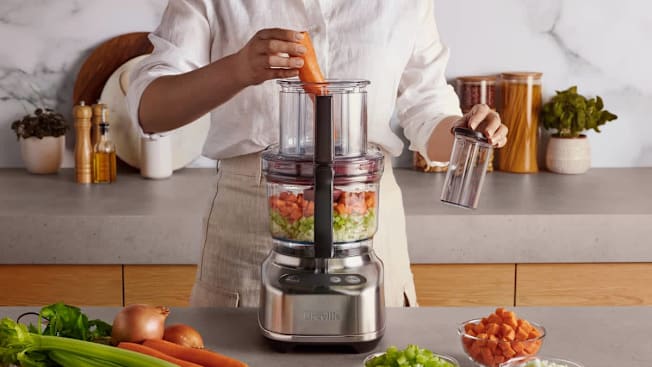
- Tall pusher for long carrots and cucumbers.
If you bake often
- 12–16 cup with gear-driven low speed.
- Dough blade, metal S-blade, timer.
- Heavy base to stop walk-off.
If you cook global sauces
- S-blade with a mini bowl insert.
- Leak-resistant lid for thin liquids.
- Pulse control for chunky salsa.
If you love plant-based protein
- 1000+ watts with strong torque.
- Metal blade for nut butter.
- Good seals for sticky mixes.
If you have tiny counter space
- 8–10 cup footprint or a mini 3–5 cup.
- Vertical disc storage case.
- Wrap-around cord storage.
I test by making one recipe three ways. Pesto, slaw, and pie dough show most limits fast. Do that in-store if they demo, or at home within return windows.
Source: consumerreports.org
Key specs decoded
Power and torque
- Watts measure draw. Torque shows twist force. You need torque for dough and nuts.
- Gear reduction trades speed for force. Look for low RPM under heavy load.
Speeds and RPM
- High RPM slices cleaner.
- Low RPM helps dough and rough chops.
- Load-sense keeps RPM steady, which protects texture.
Bowl, lid, and chute
- Tritan bowls resist drops and dishwashers.
- A wide chute fits potatoes. A narrow one guides carrots.
- Drizzle holes help emulsify mayo.
Blades and discs
- Thicker steel resists warping.
- Adjustable slicers save space and money.
- Reversible discs give two grates in one.
Noise and heat
- Brushless DC motors run cool.
- Vents and thermal cutoffs prevent damage.
All of this helps you judge how to choose the best food processor for your kitchen in 2026 without hype.

Source: cnn.com
Attachments and use cases you will actually use
Useful for most kitchens
- S-blade, dough blade, adjustable slicer, fine and coarse shred.
- Mini bowl for herbs and nuts.
- Storage case for discs.
Nice-to-have, not for all
- Dicing kit for neat cubes.
- Julienne and spiralize for veggie noodles.
- French fry disc for thick cuts.
Skip if you will not use monthly
- Citrus juicers often splash and underperform.
- Blender jugs on processor bases can be mid at both jobs.
I once loved a huge kit. I used three tools often and the rest never left the box. Be honest about your week. That is a key step in how to choose the best food processor for your kitchen in 2026.
:max_bytes(150000):strip_icc()/faw-mini-food-processors-primary-rkilgore-0828-1-ef83ffc1910f4bc29b822ca52c5ee722.jpeg)
Source: foodandwine.com
Smart and sustainability checklist for 2026
Smart that helps
- Auto-sense load and stall protection.
- App guides for disc choice and speed.
- OTA updates for new presets.
Privacy and trust
- Local control without an account is best.
- Clear data policy in the manual.
- Offline works even if the app dies.
Greener choices
- BPA-free, recycled plastics where possible.
- Replaceable bowls, lids, and gears.
- Repairable design with spare parts for 5+ years.
- Lower standby draw and auto-off.
Smart is not a must. But smart can add real value when it saves time, power, or food waste. That is part of how to choose the best food processor for your kitchen in 2026 with care for the long term.
Source: desiclik.com
Testing checklist to compare models
Run the same tests across models. Time them. Note texture, heat, and cleanup.
Core tests I use
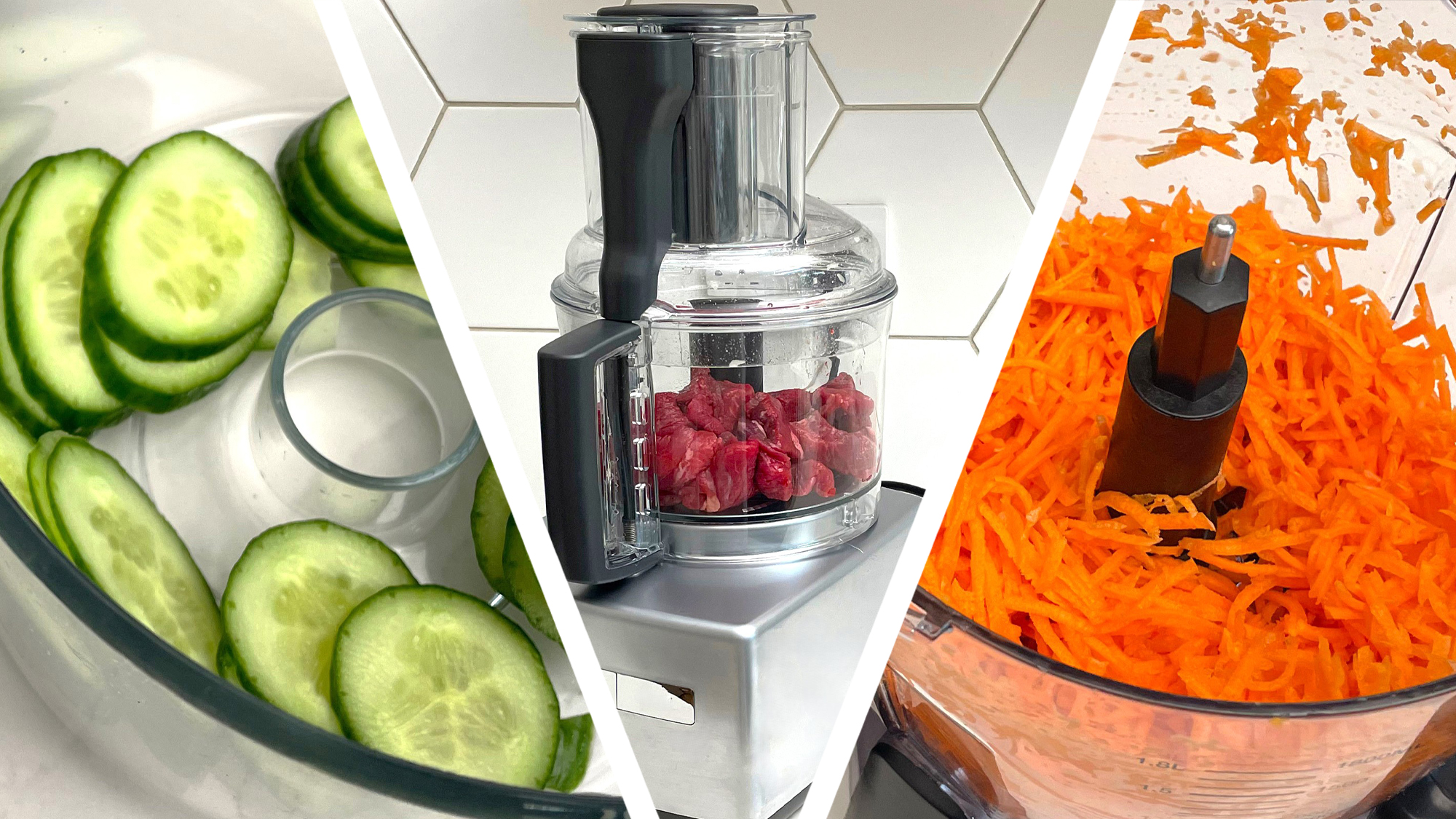
- Carrot shred: speed, evenness, and leftover nubs.
- Potato slice: clean cuts with few cracks.
- Almond butter: time to smooth, temp rise, and motor heat.
- Pie dough: visible butter shards after pulses, no smear.
- Mayo: steady emulsion with oil drizzle.
What to record
- Time to finish each task.
- Noise level by feel, or a phone app as a rough guide.
- Bowl clouding and scratches after a week.
- Clean time and part fit.
Scoring tip
- 40% performance, 25% ease of use, 15% noise, 10% cleaning, 10% durability.
- Weight these to your needs. Baking may be 40% dough.
These tests make how to choose the best food processor for your kitchen in 2026 simple and fair.
:max_bytes(150000):strip_icc()/faw-food-processor-primary-nsimpson-3602-1-74b0bf933105483580803f567405cc31.jpeg)
Source: foodandwine.com
Common mistakes to avoid
Do not chase watts alone
- Look for torque, gear reduction, and load-sense.
Do not overbuy on size
- Big bowls do not chop tiny jobs well. A mini bowl helps.
Do not ignore safety locks
- A cheap lock leads to leaks and stalls.
Do not hoard attachments
- Buy the three you will use weekly. Add more later.
Do not skip service checks
- Make sure parts are easy to get. Check warranty time and terms.
Avoiding these traps is central to how to choose the best food processor for your kitchen in 2026 with confidence.

Source: cnn.com
Budget and value picks by use case
Light use, small kitchens
- 8–10 cup, 600–800 watts, S-blade plus two discs.
- Under $150. Great for dips, salsa, quick slaw.
Most homes
- 11–14 cup, 900–1200 watts, adjustable slicer, two shreds, dough blade.
- $150–$350. Sweet spot for everyday cooking.
Heavy prep and baking
- 14–16 cup, 1000–1300 watts or gear-reduced drive, brushless motor.
- $300–$600. Quieter, stronger, longer warranty.
Pro-sumer or batch cooking
- 16+ cup, metal drive, full disc suite with dicing.
- $500–$900+. For large families or weekly meal prep.
Spend where it matters. Bowl size, three key discs, and a strong motor beat ten fancy presets. That is the budget view of how to choose the best food processor for your kitchen in 2026.
Safety and maintenance best practices
Before first use
- Wash parts, run a quick rinse pulse with soapy water, then clear water.
- Check locks and seals for a firm click.
Each use
- Use the pusher. Keep hands out of the feed tube.
- Pulse to control texture and protect blades.
- Do not run heavy loads for too long without a break.
Cleaning and care
- Top-rack dishwasher for bowl, lid, and discs, unless the manual says hand wash.
- Dry blades right away to protect edges.
- Store discs in a case to protect fingers and steel.
Long-term
- Check gaskets for wear.
- Replace worn blades and cracked bowls.
- Keep the base clean and vents clear.
Good care extends life and keeps performance strong. It also keeps how to choose the best food processor for your kitchen in 2026 from turning into a regret.
Frequently Asked Questions of How to Choose the Best Food Processor for Your Kitchen in 2026
What size food processor should I buy for a family of four?
A 12–14 cup bowl works for most families of four. It handles slaw, dough, and weeknight prep without many batches.
Are more watts always better?
No. Torque and gearing matter more for dough and nut butter. A well-geared 1000-watt unit can beat a 1400-watt unit with weak torque.
Can I use a food processor as a blender?
For thick dips or pesto, yes. For smoothies and hot soups, a blender does better because it handles liquids and vortex better.
How loud are food processors?
Most fall between 75–90 dBA at arm’s length. Brushless motors, heavy bases, and a mat help cut noise.
Which attachments are must-haves?
An S-blade, adjustable slicer, and two shredding discs cover most needs. Add a dough blade if you bake and a mini bowl for herbs and nuts.
Is a smart, app-connected processor worth it?
It is helpful if it has load-sensing, timers, and good presets. Make sure it works offline and has a clear privacy policy.
Conclusion
Now you know how to choose the best food processor for your kitchen in 2026 with calm and clarity. Match size to your meals, pick torque over hype, and choose three attachments you will use each week. Test with a few core recipes and trust the results.
Set a budget, shortlist two or three models, and run the checklist. Your new processor should save time, sound calmer, and last for years. Want more tips like this? Subscribe for updates, share your test notes, or drop a question in the comments.

2 Comments