
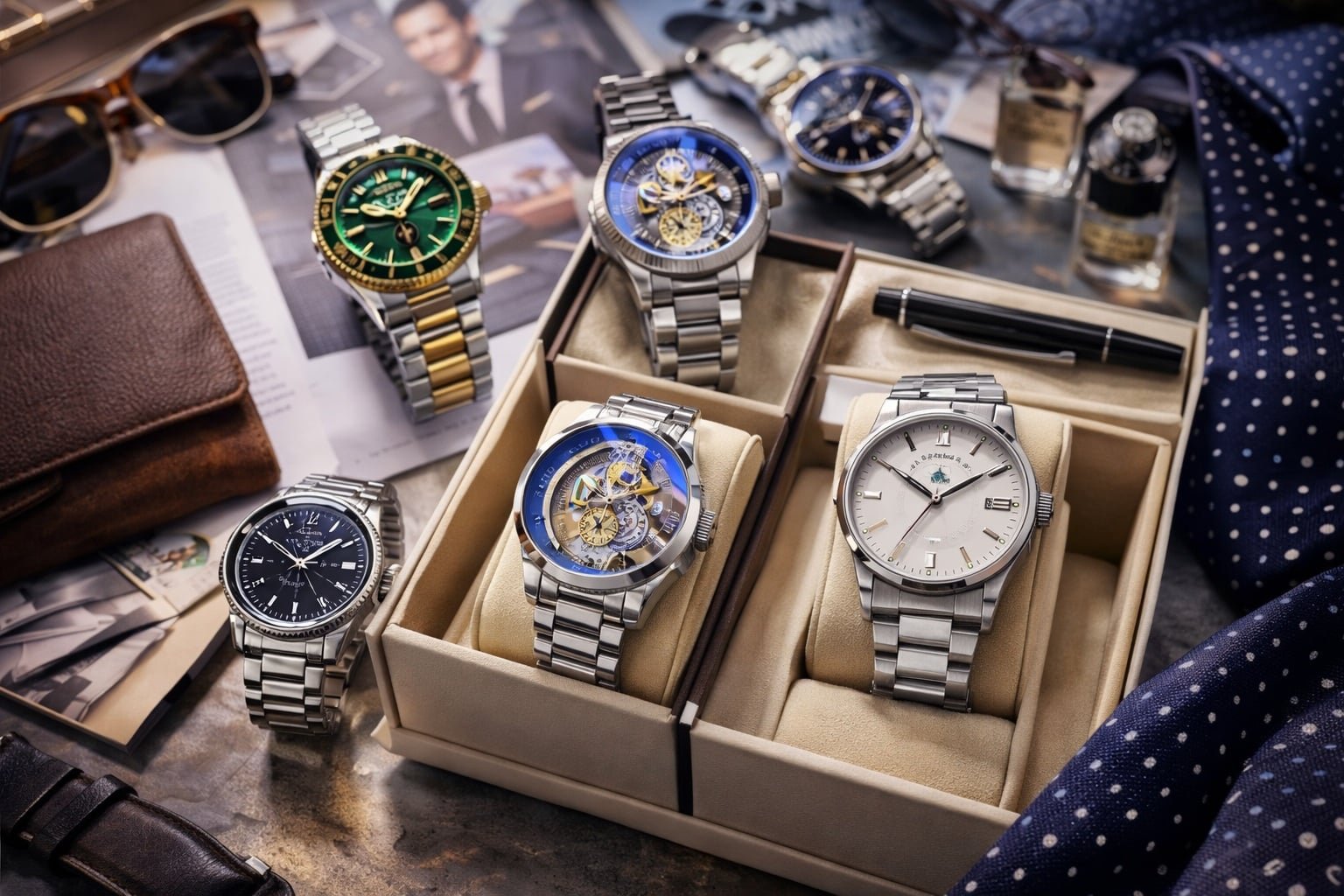
Choose a men’s watch that fits your lifestyle, wrist, movement needs, and budget.
Picking the right timepiece is personal. I’ve helped friends, clients, and new collectors figure out How To Choose A Hand Watch For Men by focusing on daily use, fit, and long-term costs. This guide brings that real-world experience together with clear steps. If you want a watch you will love and wear for years, read on.
Understand Your Lifestyle and Needs
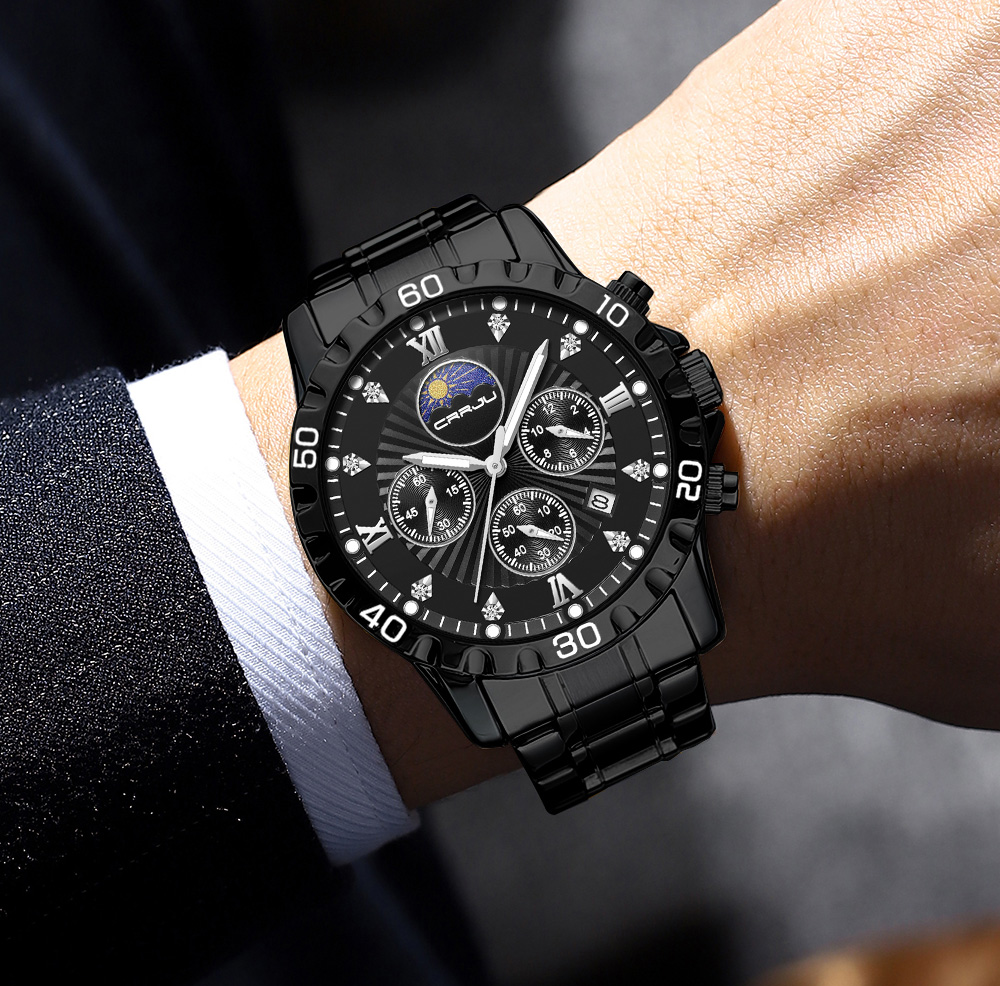
Start with where and how you will wear the watch. This shapes almost every choice after. If you ask How To Choose A Hand Watch For Men, the most honest answer starts with your life, not a brand name.
- Daily office and weekends mean a clean, versatile watch. Think simple dial, clear markers, and easy service.
- Formal wear needs a slim dress watch that slides under a cuff.
- Outdoor use calls for a field or diver watch with strong water resistance and solid lume.
- Travel often benefits from a GMT or world-time.
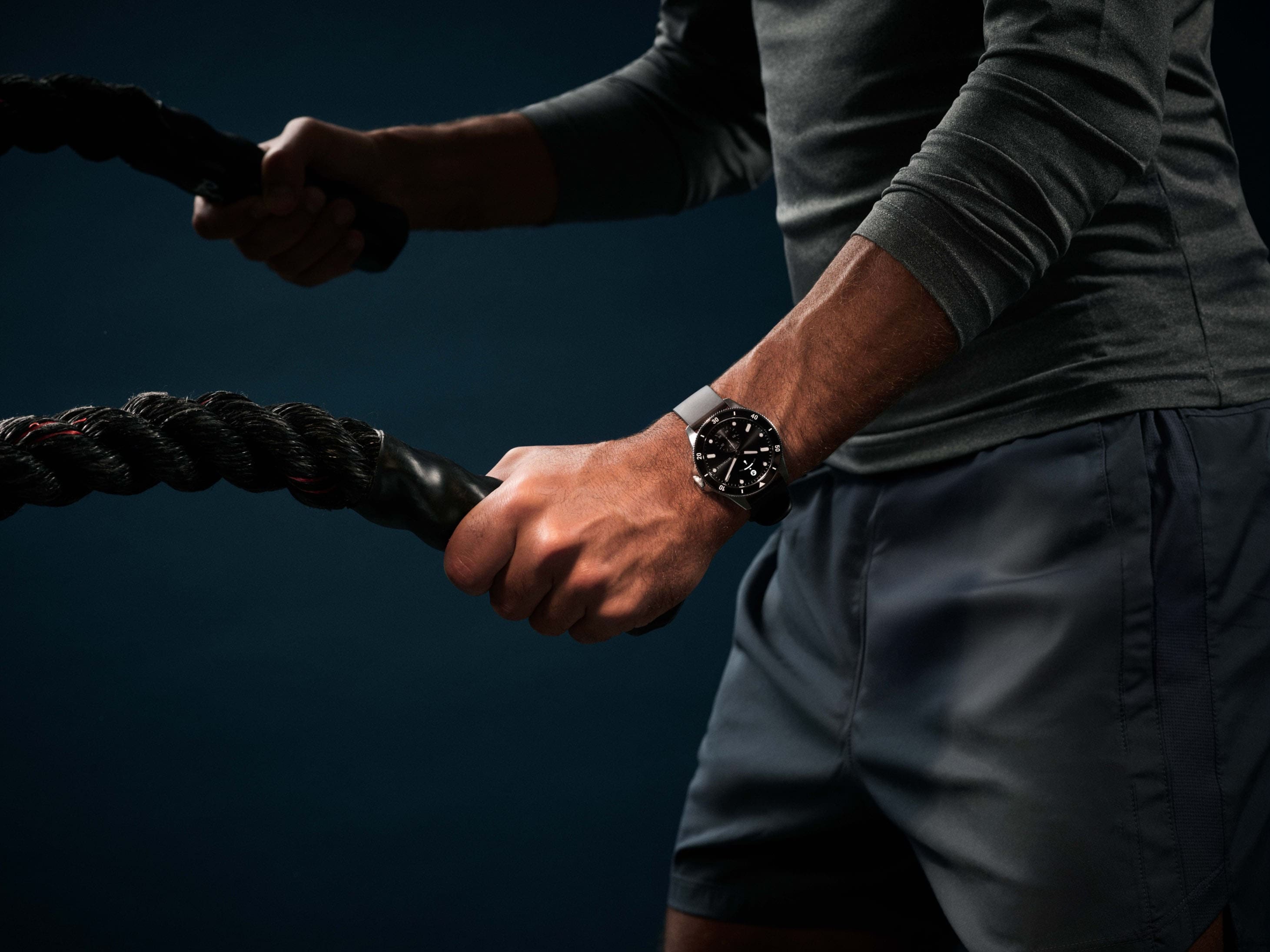
- Fitness means you may want a rubber strap or even a separate sports or smart watch.
A two-watch setup covers most men. One dressy piece. One casual or sports piece. You can always add more later.

Movement: Quartz, Automatic, or Manual
Movement is the engine inside your watch. It affects accuracy, cost, and care. When learning How To Choose A Hand Watch For Men, know what each movement gives you.
- Quartz runs on a battery. It is very accurate, often within 15 seconds a month. It is low cost to maintain. Battery changes are needed every 2 to 3 years.
- Automatic winds from wrist motion. Accuracy varies, often 5 to 20 seconds a day unless it is certified. Service is due about every 5 to 10 years.
- Manual wind has a classic feel. You wind it by hand. It is slim and simple but needs daily winding.
My rule of thumb: choose quartz for set-and-forget ease, and choose automatic if you enjoy the craft. Expect service costs from about $150 to $600, depending on brand and parts.

Case Size, Fit, and Comfort
Fit beats fashion. A great watch should look and feel natural on your wrist. This part is vital in How To Choose A Hand Watch For Men.
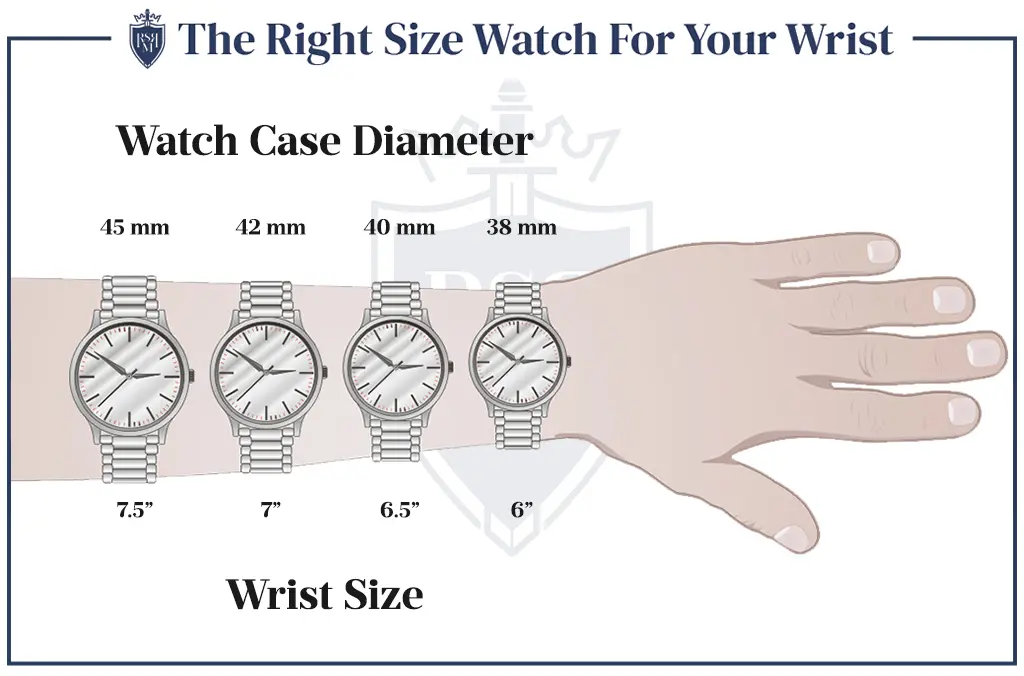
- Measure wrist size with a soft tape. Small wrists often love 34 to 38 mm. Medium wrists like 38 to 42 mm. Large wrists can pull off 42 to 46 mm.
- Check lug-to-lug length. It should not hang over the edges of your wrist. Aim to keep lug-to-lug at or under your wrist width.
- Watch thickness matters for sleeves. Under 11 mm slides under most cuffs.
- Case shape changes how it wears. Short curved lugs can make larger cases wear smaller.
Tip from my fittings: photos lie less than mirrors. Take a straight-on wrist shot, then one from the side. You will see if the lugs overhang or if the watch is too tall.
Materials: Case, Crystal, and Strap
Materials decide scratch resistance, weight, and look. If you want clarity on How To Choose A Hand Watch For Men, compare these basics.
- Case metals
- Stainless steel is tough and easy to service.
- Titanium is lighter and great for long wear. It can show marks but is very comfy.
- Ceramic resists scratches but can crack with hard impact.
- Gold looks luxe, but check thickness of plating on cheaper models.
- Crystal types
- Sapphire is very scratch resistant and the best long-term choice.
- Mineral is cheaper and can scratch, but it is fine for budget pieces.
- Acrylic scratches but can be polished. It has a warm vintage look.
- Straps and bracelets
- Leather is dressy and comfy. Keep it dry.
- Rubber is great for sweat and water.
- NATO and fabric are light and cheap to swap.
- Steel bracelets are durable. A good clasp with micro-adjust makes a big difference.
I prefer sapphire for daily wear and quick-release spring bars for easy strap changes. That way one watch fits many looks.
Features and Complications That Matter
Features are helpful when they match your needs. Feature creep adds cost and clutter. Keep this in mind while thinking through How To Choose A Hand Watch For Men.
- Date for daily use, but check legibility at a glance.
- GMT for travel, with a true GMT if you switch local time often.
- Chronograph for timing runs, cooking, or work tasks.
- Rotating bezel for quick timing without pushing buttons.
- Lume for night or low light.
- Anti-magnetic and shock resistance if you work around tools or tech.
If you never use a function, skip it. A clean dial is easier to read and style.

Water Resistance and Durability
Water ratings can be confusing. They show lab tests, not real dive depth. Still, they guide safe use and help with How To Choose A Hand Watch For Men.
- 30 m or 3 ATM handles splashes and rain.
- 50 m is fine for light swimming.
- 100 m is safe for swimming and snorkel use.
- 200 m and a screw-down crown is what most divers and surfers need.
Check for a screw-down crown and gaskets if you get wet often. After any battery change, get a pressure test to confirm the rating still holds.
Style Types and When to Wear Them
A watch should match your clothes and space. This is a style map to speed up How To Choose A Hand Watch For Men.
- Dress watch is slim with a simple dial. It pairs with suits and formal wear.
- Field watch is rugged and clean. It fits smart casual and weekend looks.
- Diver watch is bold and sporty. It works with jeans, polos, and active wear.
- Pilot or flieger watch is large and easy to read. It has great legibility.
- Racing or chronograph watch is dynamic and fun. It adds character to casual outfits.
If you only buy one, pick a clean steel watch on a bracelet. Swap to leather for dress, or rubber for sport.
Budget, Value, and Resale
Money matters, both now and later. Think total cost, not just sticker price. This saves regrets and sharpens How To Choose A Hand Watch For Men.
- Under $100: basic quartz and simple styles.
- $100 to $300: strong value and lots of choice.
- $300 to $1,500: the enthusiast sweet spot. Good movements and specs.
- $1,500 to $5,000: entry luxury and higher finishing.
- $5,000 and up: top brands, history, and craftsmanship.
Plan for service and straps over time. Some brands hold value better, but buy what you will wear. I once bought a flashy fashion watch that looked cool and wore badly. I learned to pay for fit and service, not just a logo.
Brand, Heritage, and After-Sales Support
Names matter, but support matters more. It is a key piece of How To Choose A Hand Watch For Men.
- Check warranty length and what it covers.
- Make sure parts and service are easy to get in your region.
- Buy from authorized dealers for full support and lower risk.
- Be careful with gray market. You can save money but may lose warranty.
A brand with strong service is less stress for years to come. That is real value.
How To Try, Compare, and Decide
Hands-on time beats spec sheets. This step-by-step plan makes How To Choose A Hand Watch For Men simple and clear.
- Measure your wrist and note your ideal case size and lug-to-lug.
- Shortlist three watches that fit your needs and budget.
- Try each watch in person if you can. Sit, stand, and flex your wrist.
- Check legibility in daylight and dim light. Test the lume if possible.
- See how it slides under a cuff. Comfort counts more than hype.
- Listen for rotor noise, feel the crown action, and inspect alignment of bezel and markers.
- Sleep on it. If you still love it the next day, you are close.
- Verify return and service policies before you buy.
Take a wrist photo from two angles. It helps you choose with a calm head, not just heart.
Care, Service, and Longevity
Good care makes a watch last. This part protects your spend and finishes How To Choose A Hand Watch For Men with smart habits.
- Rinse with fresh water after salt or chlorine. Dry with a soft cloth.
- Keep leather away from sweat and water. Rotate straps so they last longer.
- Avoid strong magnets. If your watch runs fast, it might be magnetized.
- Service on schedule if accuracy drops or seals age. Log dates and work done.
- Set the date away from the danger zone, usually between 9 pm and 3 am.
I once forced a crown while setting the date and stripped the threads. Now I set slow and smooth. Patience is cheaper than repair.
Frequently Asked Questions of How To Choose A Hand Watch For Men
What size watch should I get for a small wrist?
Try 34 to 38 mm with short lugs. Keep lug-to-lug at or under your wrist width for a clean fit.
Is quartz better than automatic?
Quartz is more accurate and cheaper to maintain. Automatic has charm and craft but needs service over time.
How much water resistance do I really need?
For daily life, 50 to 100 m is plenty. If you dive or surf often, aim for 200 m and a screw-down crown.
Do I need sapphire crystal?
Sapphire is best for scratch resistance. If you are on a budget, mineral works but needs more care.
What is the most versatile style for one watch?
A simple steel watch on a bracelet is most versatile. Add a leather strap for dress and a rubber strap for sport.
How often should I service my watch?
Quartz needs a battery every 2 to 3 years and new seals as needed. Automatics and manuals often need service every 5 to 10 years, depending on use.
Are microbrand watches a good buy?
Many offer strong specs and fair prices. Check reviews, warranty, and return policy to avoid risk.
Conclusion
Choosing a watch is about fit, function, and feeling. Start with your lifestyle, confirm the right size, pick the movement you will enjoy, and set a budget that includes future care. Make your choice slowly, try it on, and buy for the wrist you have, not the wrist you wish you had.
Use these steps today to shortlist three models and try them in person or at home. If this guide helped, share it with a friend, subscribe for more tips, or drop your questions in the comments.



2 Comments